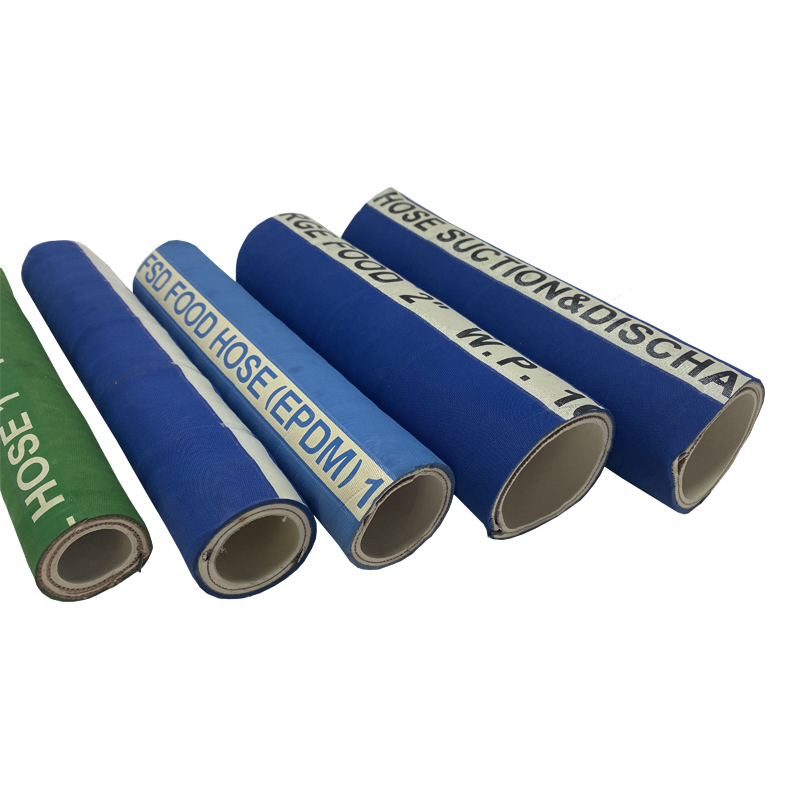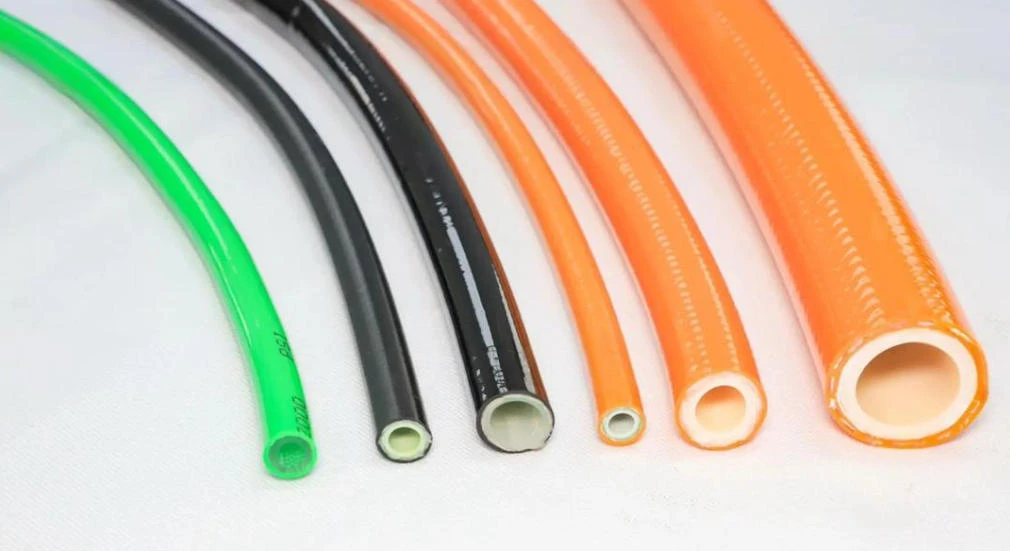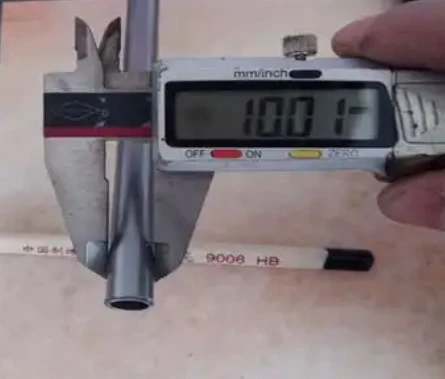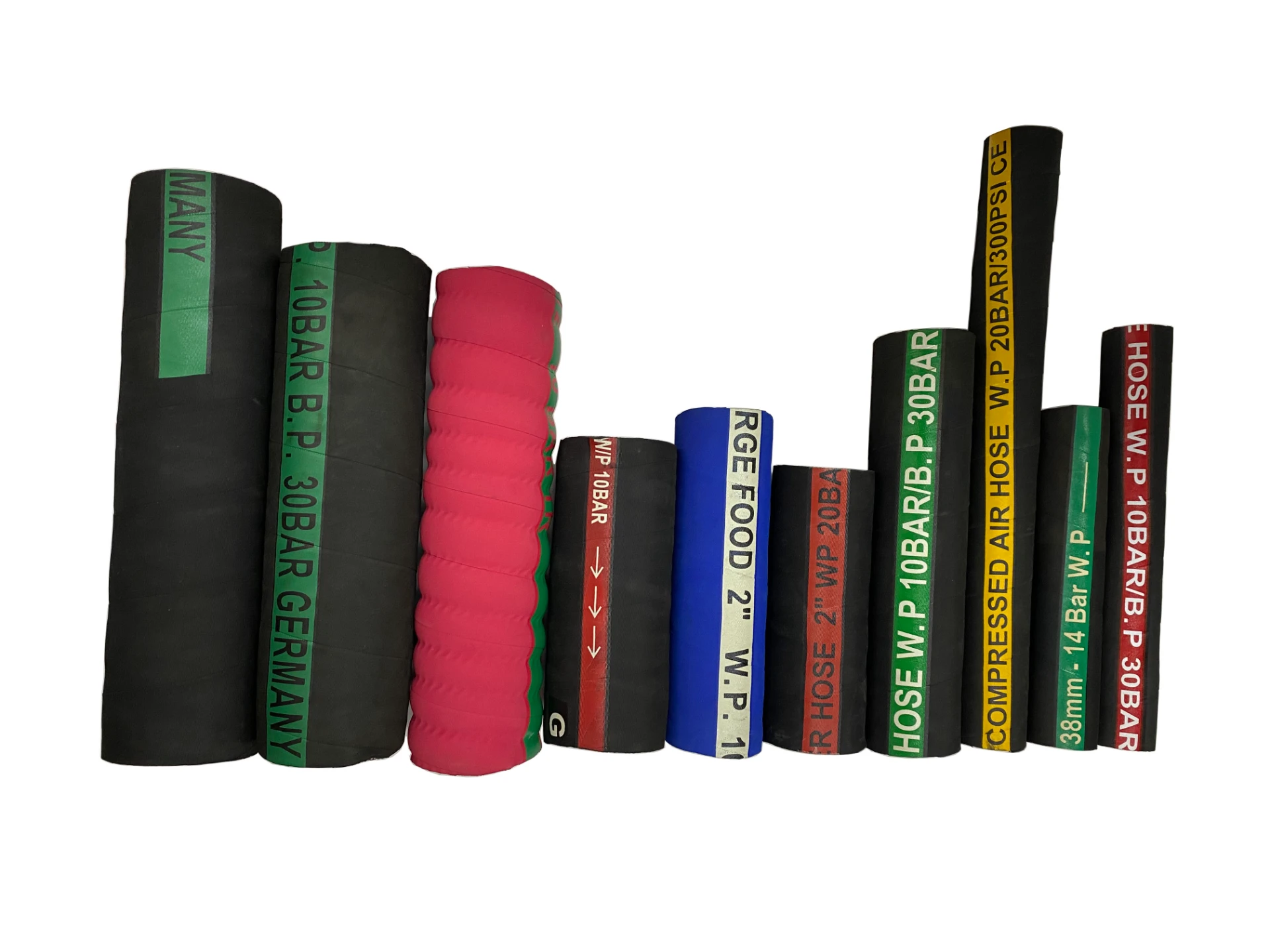



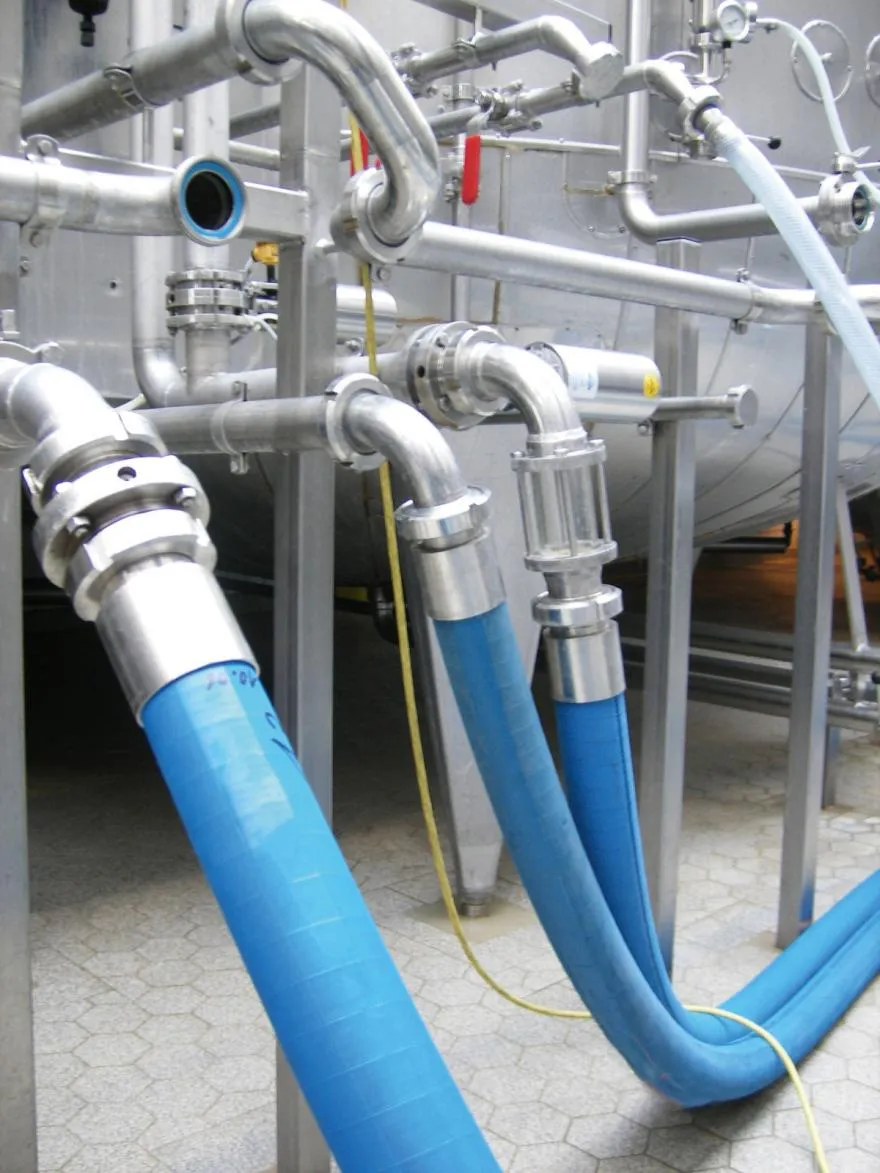
In industries where the purity and safety of fluid transfer are non-negotiable, food grade hose stands as the unsung hero, ensuring seamless transport of consumables without contamination. As a trusted industrial hose manufacturer , we understand the critical role these hoses play in maintaining product integrity across food processing, beverage production, and pharmaceutical applications. This guide defines food grade hoses, explores their core standards, and highlights their diverse uses—empowering you to make informed choices for your operational needs.
A
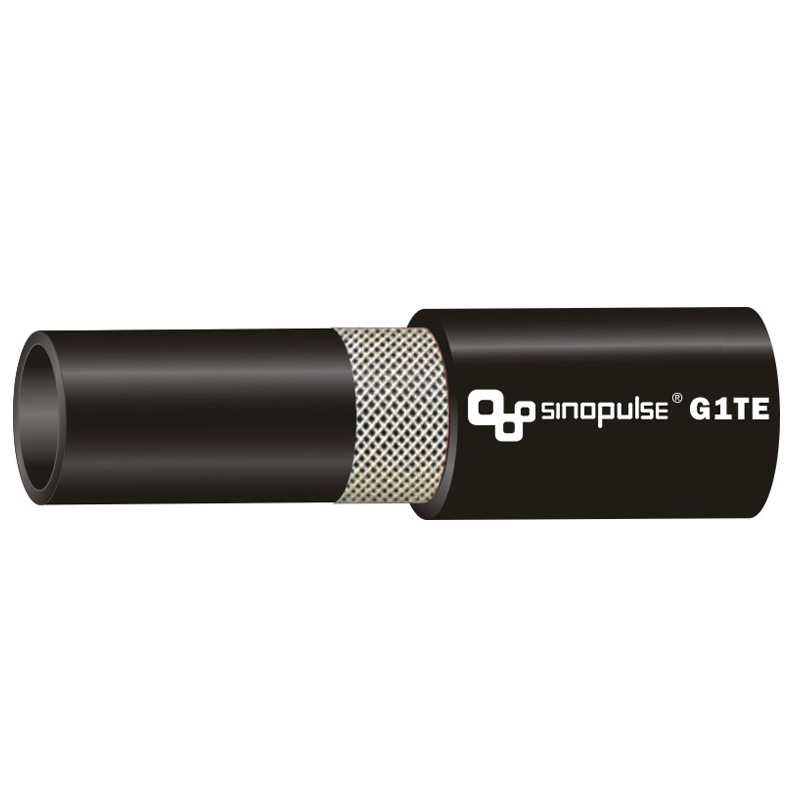
- Non-Toxic Materials : Inner layers crafted from FDA-compliant elastomers (e.g., EPDM, silicone) or thermoplastics (PTFE, polyurethane) that resist chemical leaching.
- Smooth Bore Design : Minimizes product buildup and bacteria growth, critical for maintaining hygiene in sensitive applications.
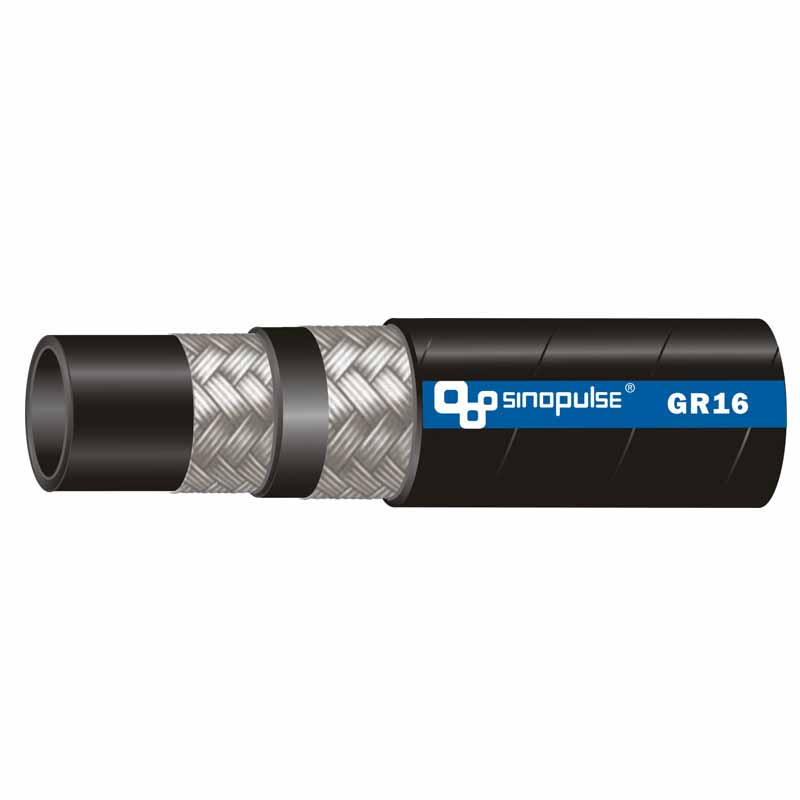
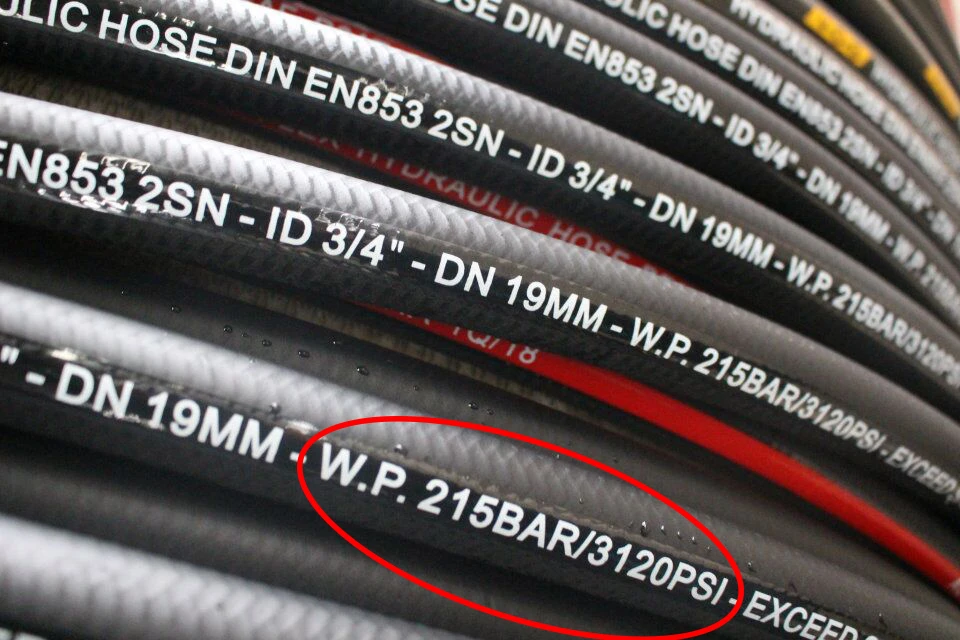
- Robust Reinforcement : Braided textile or spiral steel layers that provide pressure resistance (up to 3,000 PSI for high pressure flexible hose models) without compromising purity.
- Mandates that hose materials (inner tube, additives, adhesives) are safe for direct food contact, prohibiting substances like lead, cadmium, or phthalates.
- Requires testing for extractable chemicals to ensure no migration into food products during transfer.
- Establishes specific migration limits for plastics in contact with food, covering parameters like overall migration, heavy metals, and aromatic amines.
- Certifies that hoses meet strict odor and taste neutrality standards, vital for beverages and delicate foodstuffs.
- Validates the suitability of hose materials for use in food processing equipment, focusing on resistance to cleaning agents and sanitizers.
- Ensures compatibility with aggressive CIP (Clean-in-Place) and SIP (Sterilize-in-Place) procedures common in dairy and pharmaceutical industries.
- Specifies design requirements for hoses in dairy, meat, and poultry processing, including smooth surfaces, non-porous materials, and corrosion-resistant fittings.
- Beverage Production : Transfers beer, wine, and soft drinks without compromising flavor or introducing contaminants; food transfer hose models with silicone liners prevent oxidation in sensitive liquids.
- Confectionery & Baking : Moves syrups, dough, and chocolate compounds, with PTFE-lined hoses offering superior non-stick properties for high-viscosity media.
- Meat & Poultry Processing : Handles brines, marinades, and processing fluids, adhering to 3A standards to minimize bacterial growth during transport.
-
Drug Manufacturing
: Transports APIs, solvents, and sterile solutions in bioreactors and filling lines, with high
pressure flexible hosedesigns that withstand autoclaving and chemical sanitization.
- Medical Device Production : Ensures pure fluid transfer in dialysis machines and surgical equipment, where even trace contaminants could compromise patient safety.
- Milk Collection : FDA-compliant EPDM hoses resist fat and protein buildup, critical for maintaining milk purity from farm to processing plant.
- Irrigation & Fertilizer Transfer : Polyurethane hoses handle water-based fertilizers without leaching harmful chemicals into soil or crops.
- Lotion & Serum Production : Transfers fragrances, creams, and oils with odorless, tasteless materials that preserve product integrity and sensory qualities.
- Acid/Alkali Resistance : Silicone hoses excel with aqueous solutions, while PTFE-lined models handle aggressive acids (e.g., citric acid in beverage production).
- Temperature Tolerance : Choose EPDM for cold storage (-50°C) or PTFE for high-temperature applications (up to 260°C in high pressure flexible hose designs).
- Low-Pressure Transfer : Smooth-bore silicone hoses (100–500 PSI) for gentle handling of particulate-laden foods like soups or sauces.
- High-Pressure Systems : Braided stainless steel-reinforced hoses (1,500–3,000 PSI) for pump-driven applications in bottling lines or industrial kitchens.
- Bead-Blasted Inner Surfaces : Reduce surface roughness to <0.8μm, minimizing product residue and bacterial adhesion.
- Clamp-Free Fittings : Quick-connect sanitary fittings (e.g., Tri-Clamp, SMS) enable easy disassembly for cleaning, meeting strict CIP/SIP requirements.
- Always request third-party certifications (FDA, EU 10/2011, 3A) and material safety data sheets (MSDS) to ensure compliance with regional and industry-specific standards.
Subpar hoses can lead to costly recalls, product waste, or regulatory penalties. A premium food grade hose from a reputable industrial hose manufacturer offers:
- Consistent Purity : Rigorous material testing ensures no compromise to product safety, even after years of use.
- Longevity : Reinforced constructions withstand repeated sterilization and mechanical stress, reducing downtime for replacements.
- Operational Efficiency : Smooth bores and flexible designs minimize pressure loss, supporting continuous, high-volume transfer in demanding production environments.
A food grade hose is more than a transfer conduit—it’s a safeguard for product quality, consumer health, and brand reputation. From the meticulous material selection to adherence to global safety standards, every feature is engineered to meet the unique challenges of food, beverage, and pharmaceutical industries.
As a leading
Elevate your production safety and efficiency—explore our food grade hose portfolio today and experience the peace of mind that comes with choosing hoses designed for purity without compromise.