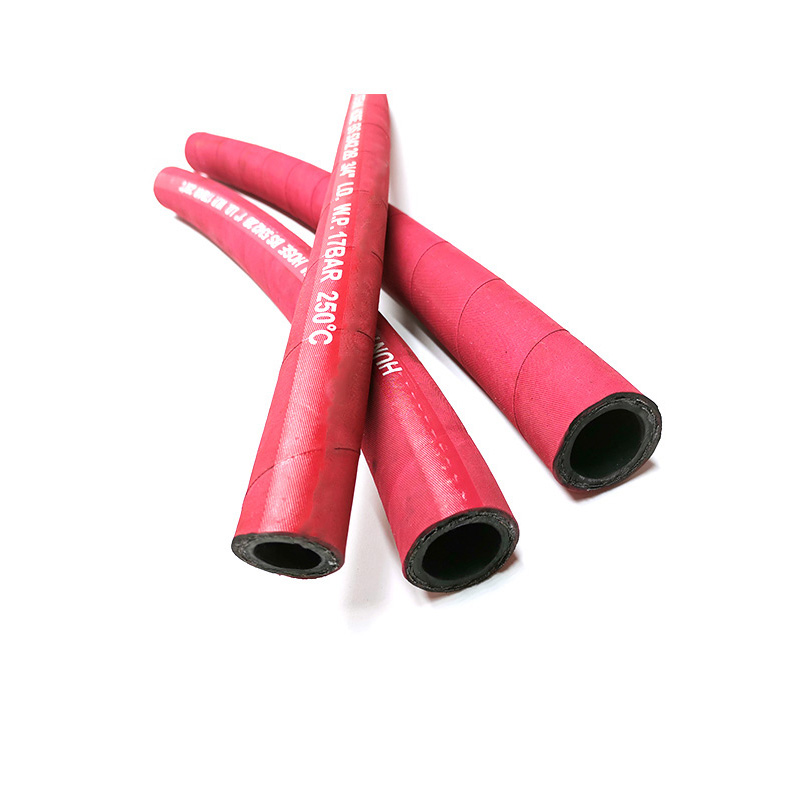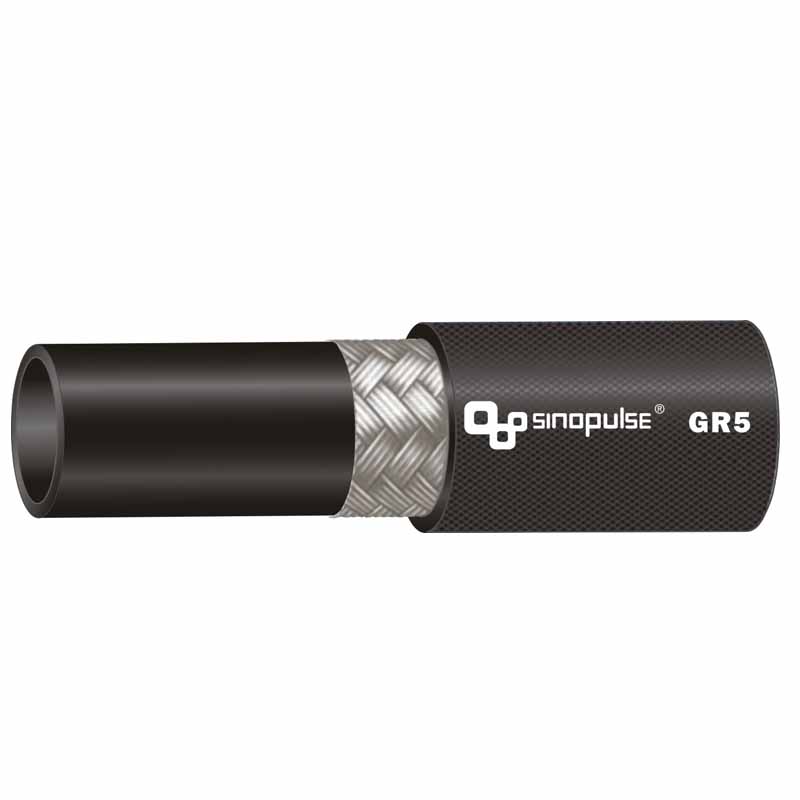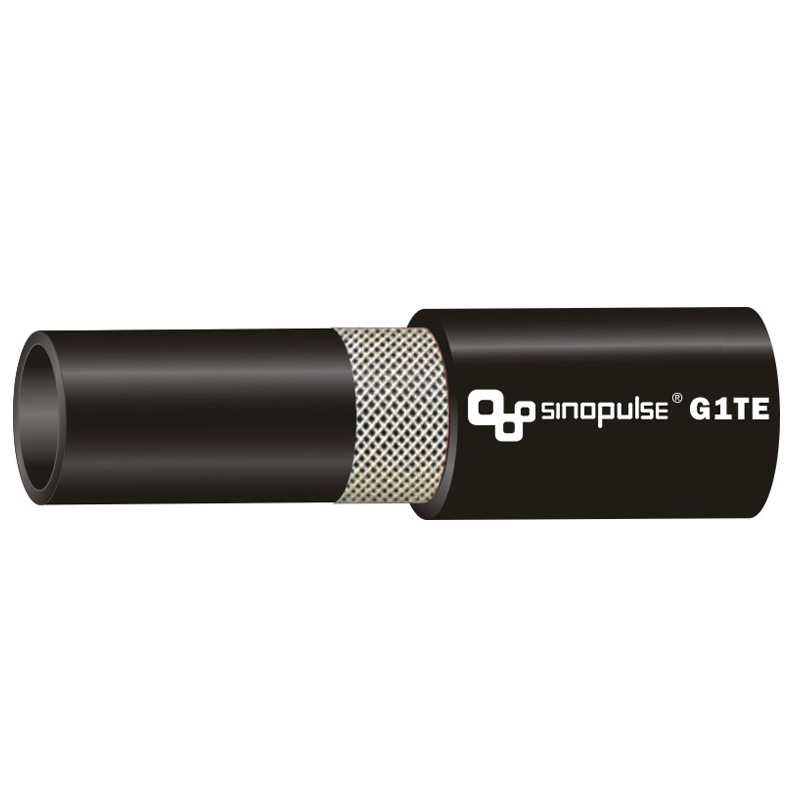



The health of the fuel system is crucial in modern automotive maintenance. As an important component of the fuel system, the performance of rubber fuel line hose directly affects the transmission of fuel and the safety of vehicles. Therefore, understanding when and how to replace rubber fuel hoses is a fundamental skill that every car owner and mechanic must master.

Generally speaking, the service life of
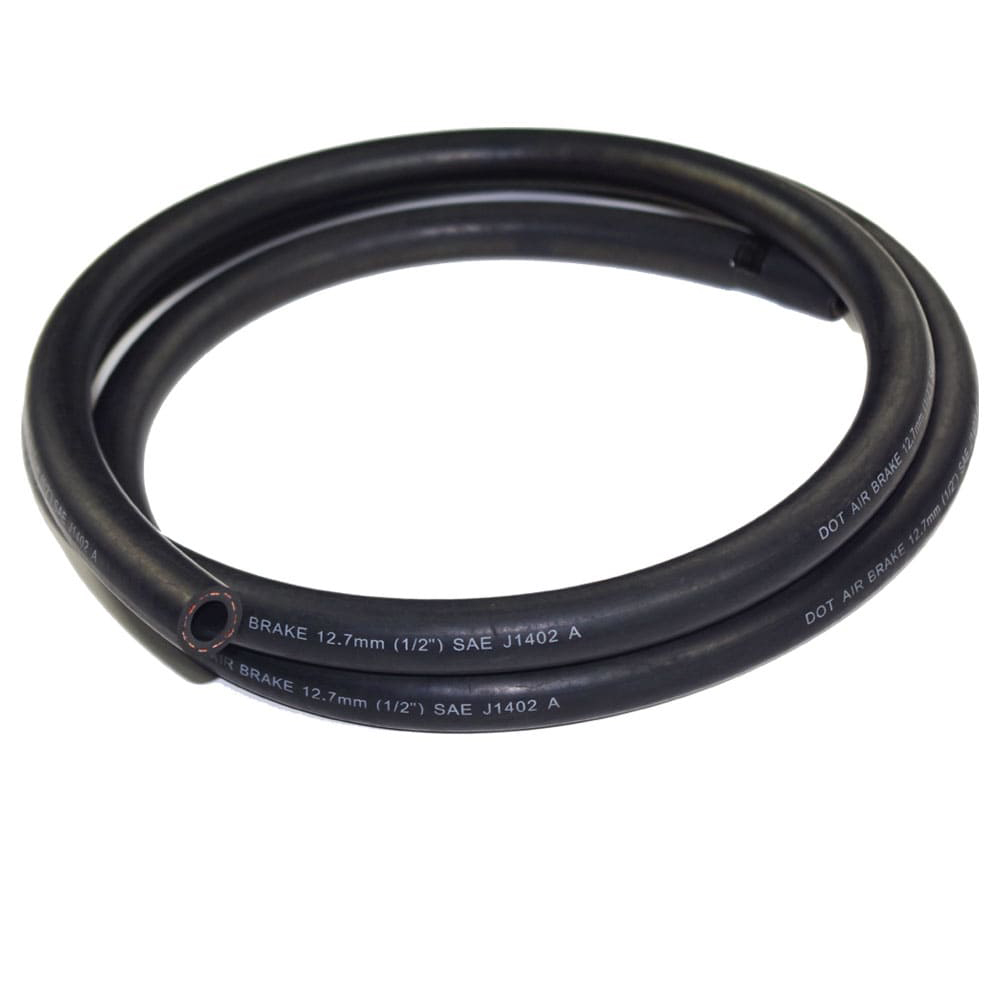
The following is a summary of the steps for replacing the rubber fuel line : Step one, prepare tools and materials, including new hoses, fuel clamps, wrenches, screwdrivers, and cleaning cloths with cleaning agents; Step 2: Ensure that the vehicle is parked on a flat surface and turn off the fuel pump to prevent accidents during the replacement process; Step three, find the hoses that need to be replaced, loosen the clips one by one, and remove the old hoses; Step four, carefully clean the interface to remove any contaminants; Step five, install the new fuel hose rubber in place and secure it with clips, ensuring that all connections are tight and leak free.
Protective gloves and goggles should be worn to prevent fuel splashing from causing harm to the skin and eyes. In addition, selecting high-quality hardware and automotive tubing that comply with automotive manufacturer specifications is key to ensuring the long-term operation of the fuel system.
In short, regular inspection and timely replacement of rubber fuel hoses are important measures to ensure the normal operation of the car's fuel system. By understanding when hoses need to be replaced and mastering the basic replacement steps, car owners can not only extend the service life of their vehicles, but also improve driving comfort and stability while ensuring safety.