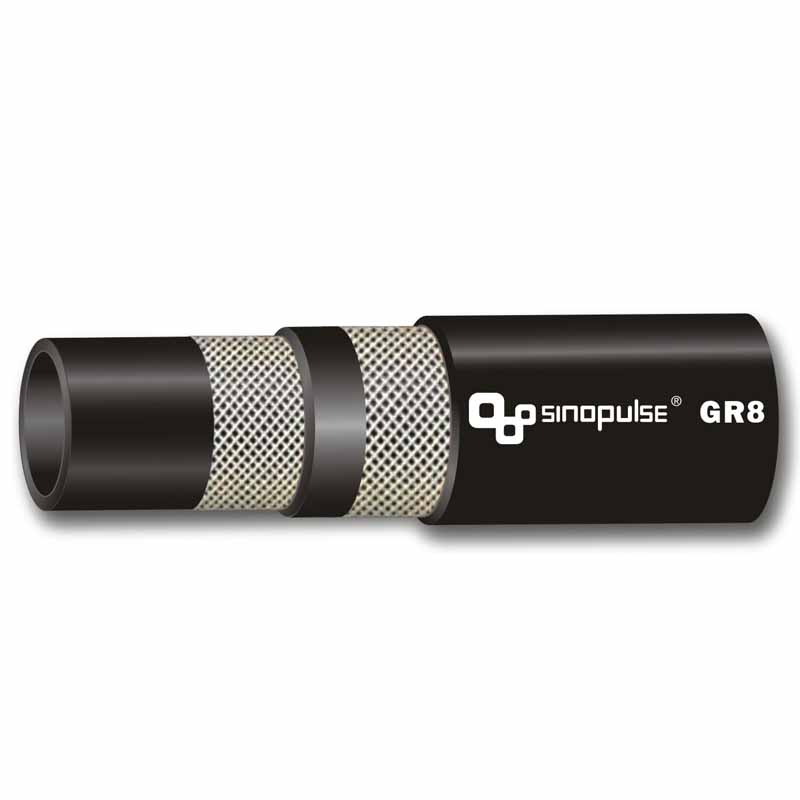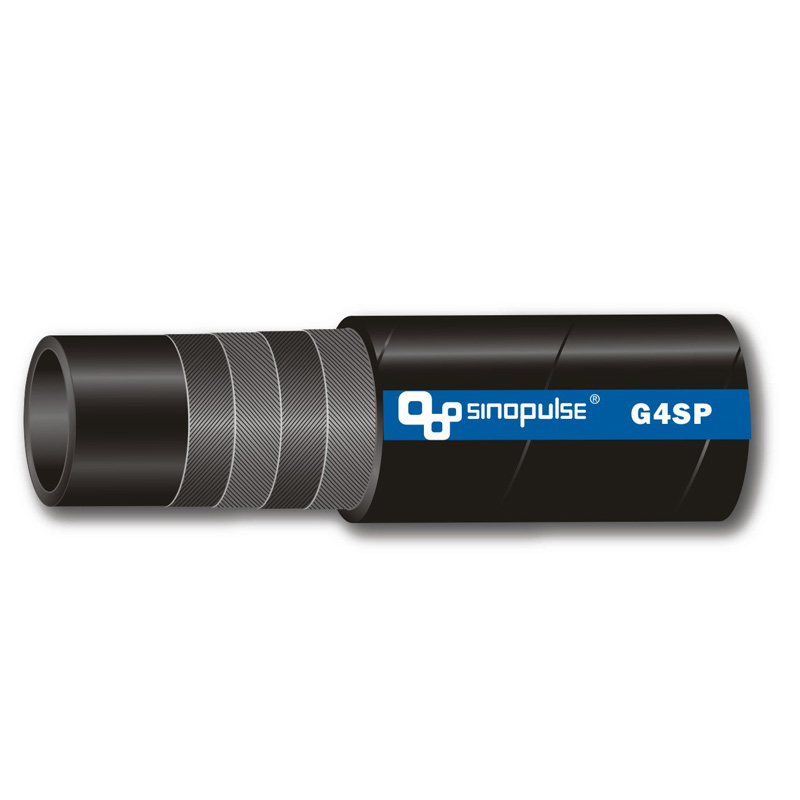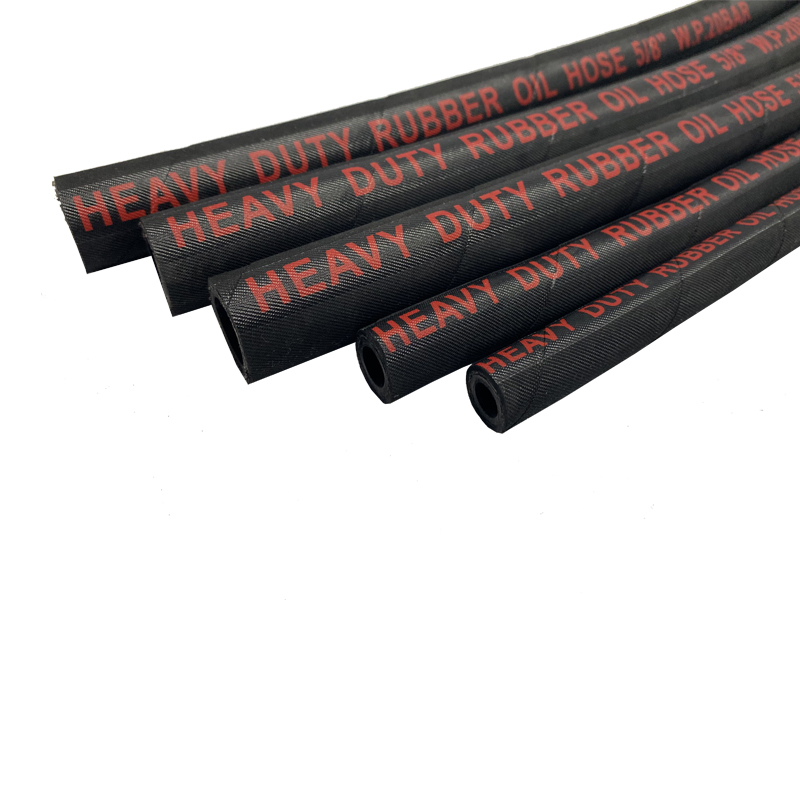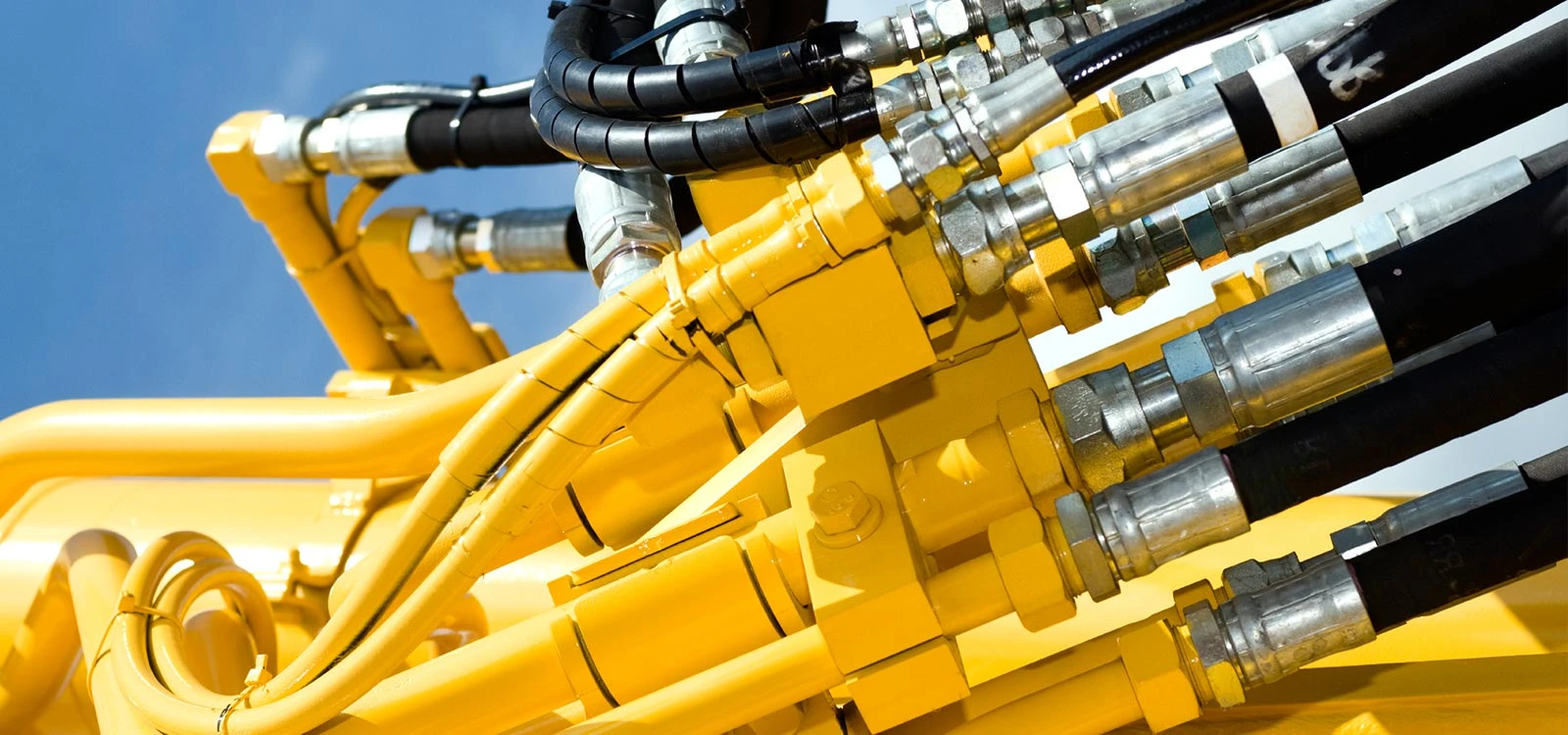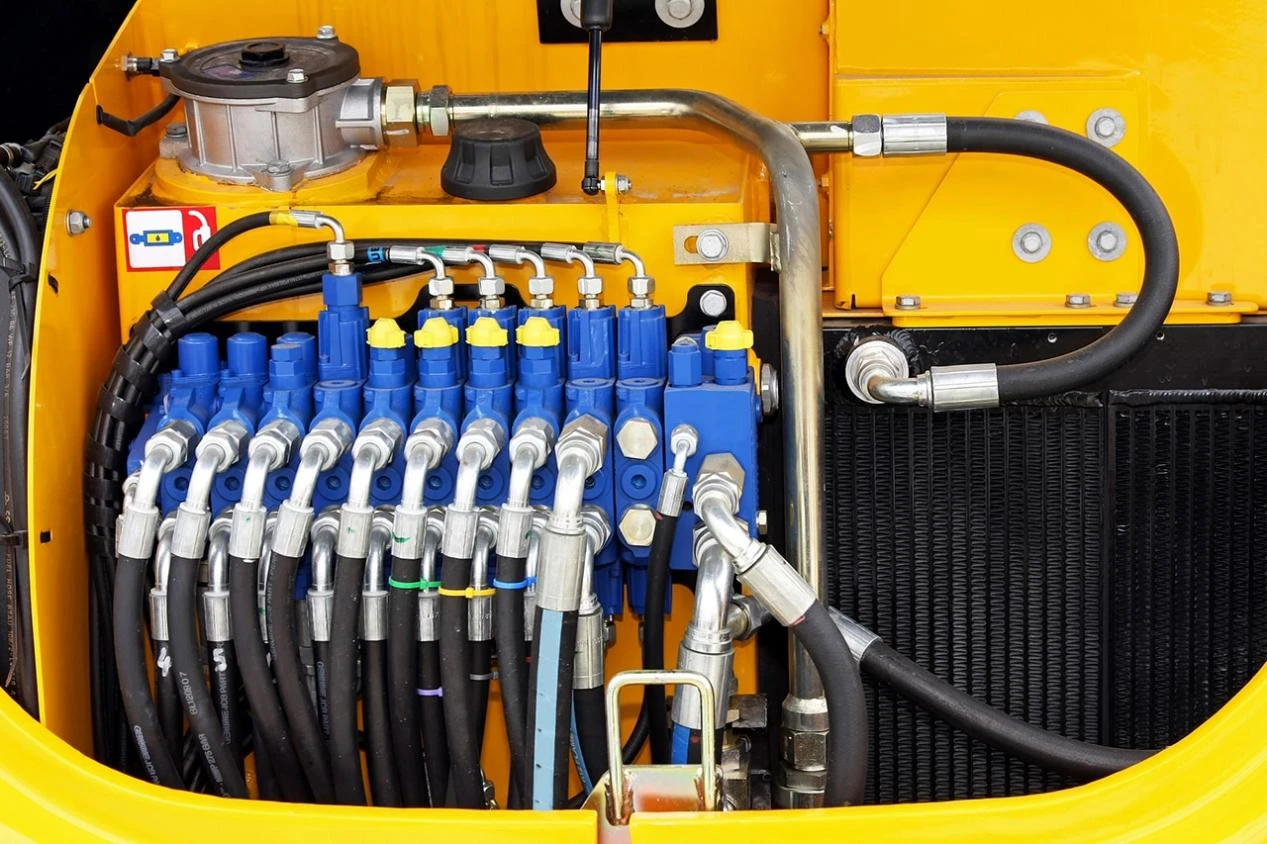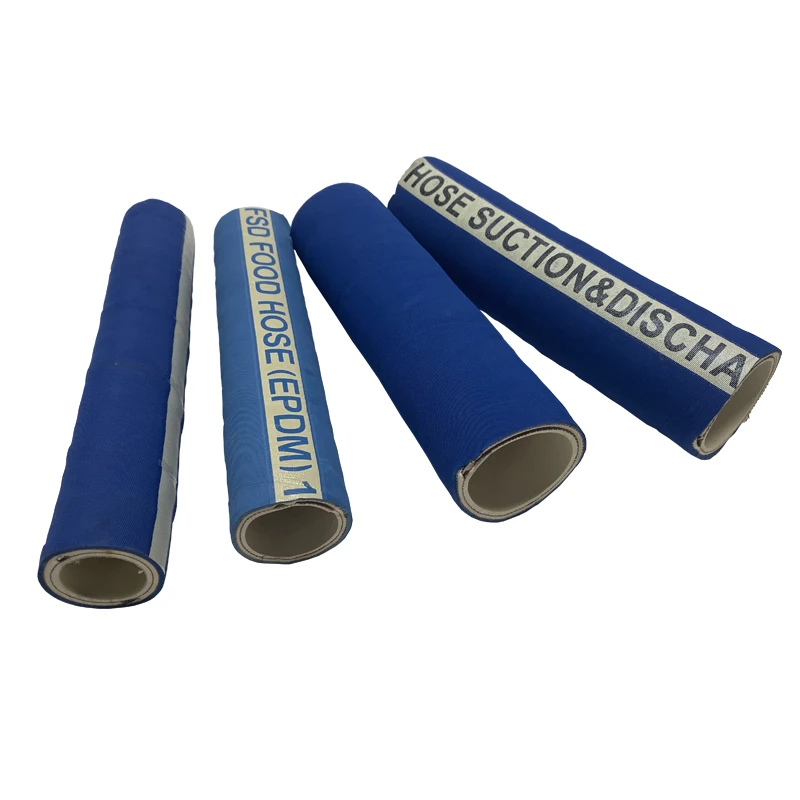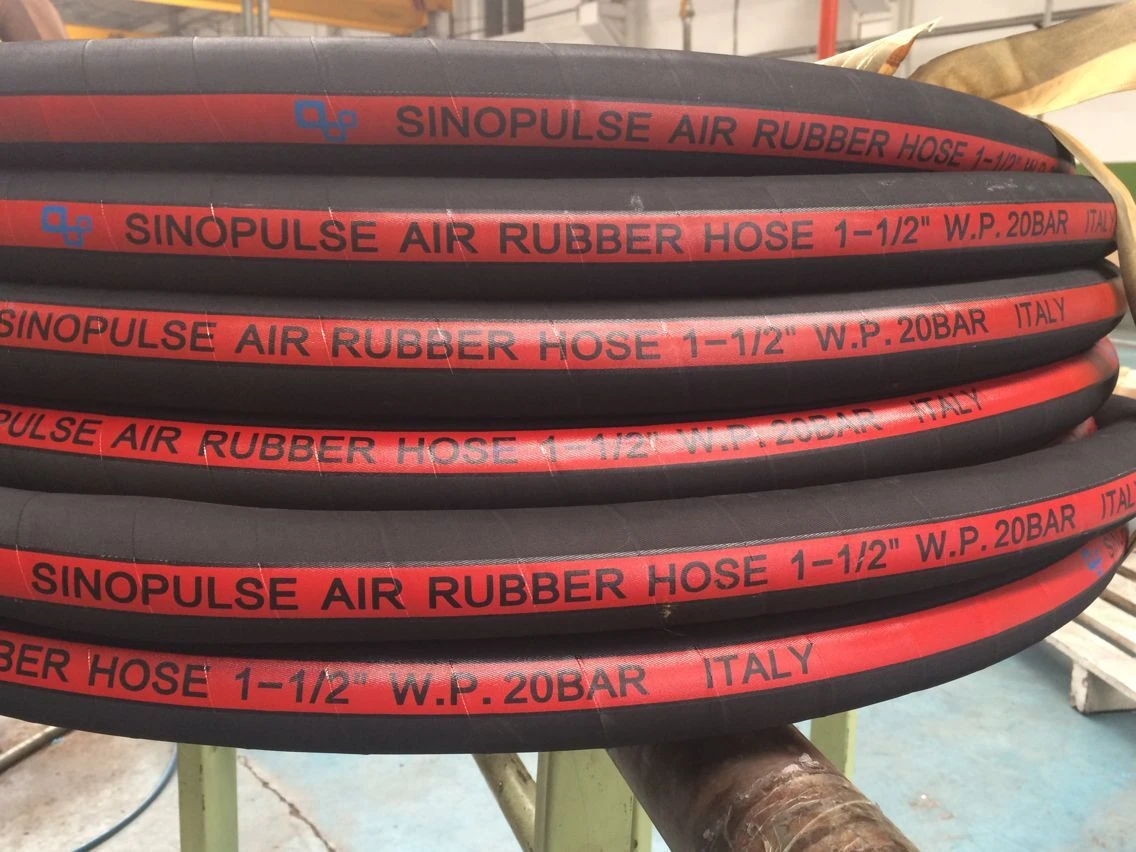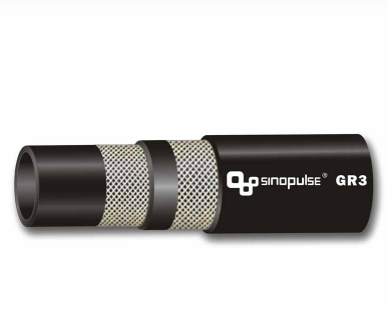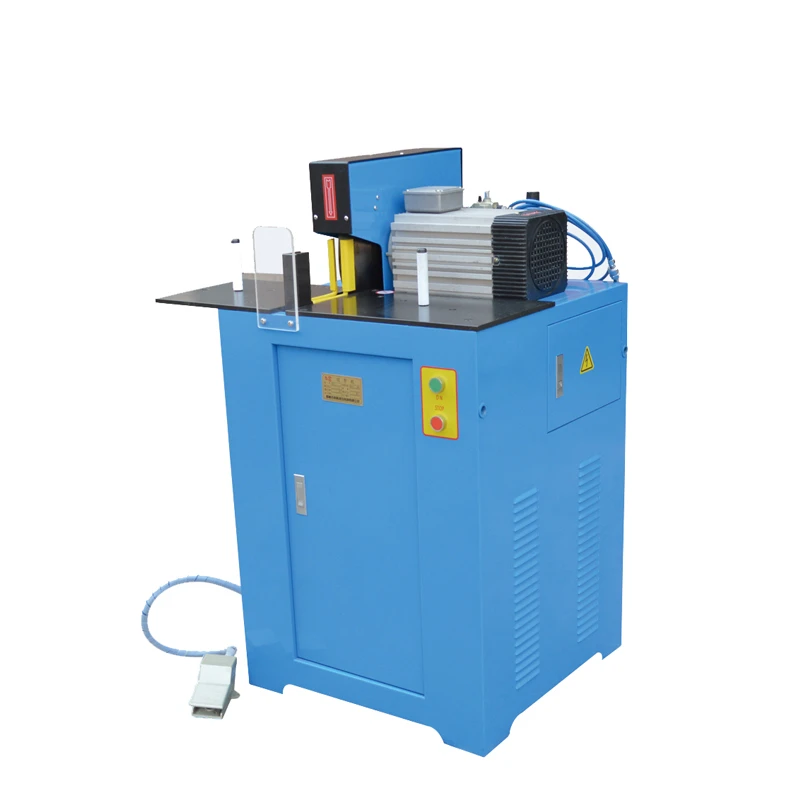



Hydraulic systems play a crucial role in modern industrial and mechanical equipment, with hydraulic hoses being a key component whose reliability directly affects the efficiency and safety of the entire system. However, custom hydraulic hoses may malfunction due to wear, aging, or environmental factors during long-term use, so understanding how and when to replace hydraulic hoses is particularly important.
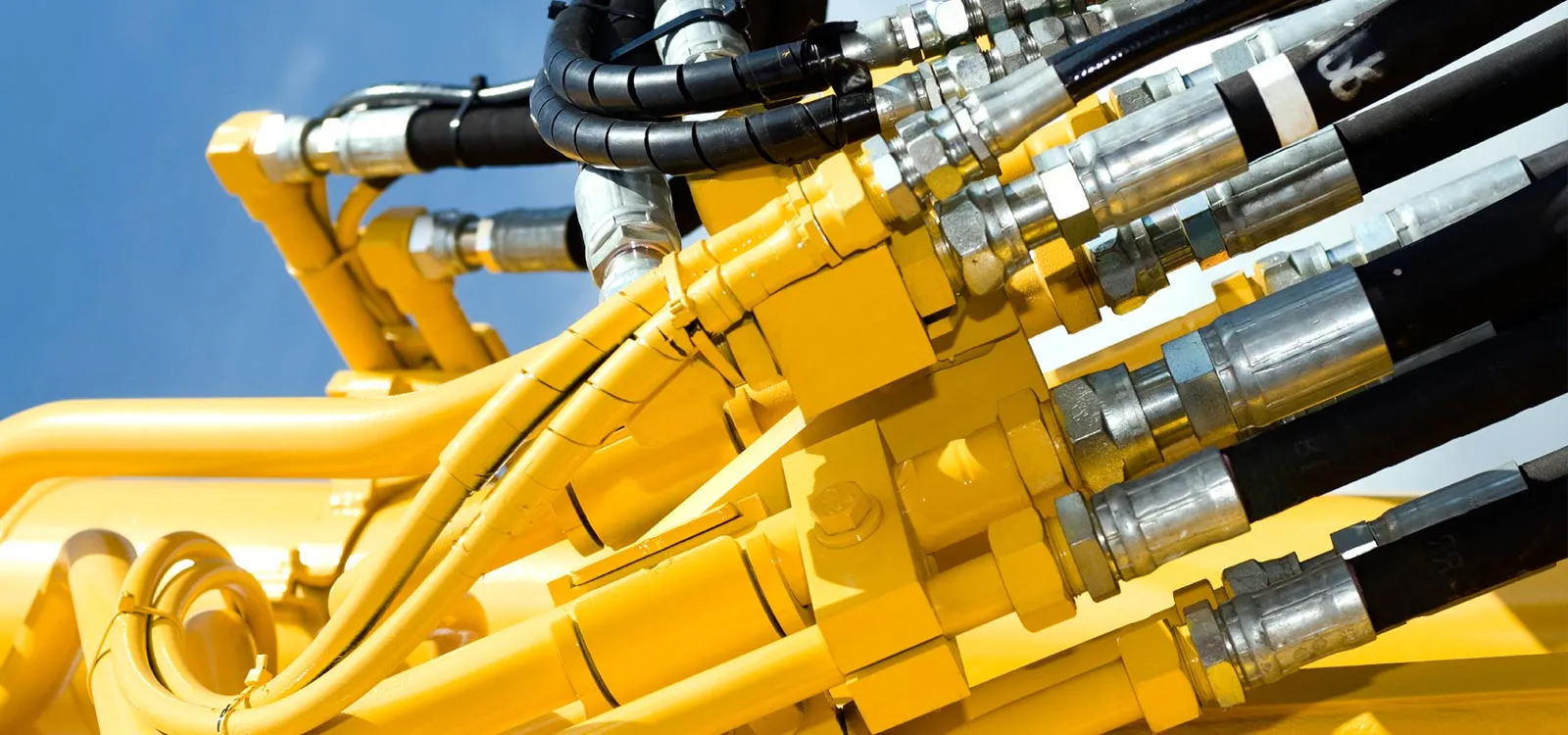
If cracks, bulges or obvious wear are found on the surface of the hose, it should be replaced immediately. This can avoid more serious malfunctions in high-pressure environments. Hydraulic hoses typically change color or age due to prolonged exposure to oil and external environments. Once this situation occurs, replacement should be considered to ensure the pressure resistance and toughness of the hose.
If the operating efficiency of the hydraulic system significantly decreases and no other fault sources are found after inspection, hydraulic hose may be the cause of poor performance, and replacement should be carried out at this time. In addition to replacing in case of obvious malfunctions, it is recommended to develop a regular inspection and replacement plan based on the frequency of use and working environment of the equipment. This preventive maintenance can effectively avoid sudden failures and improve the overall reliability of the equipment.
Before starting to replace the
custom hydraulic hose
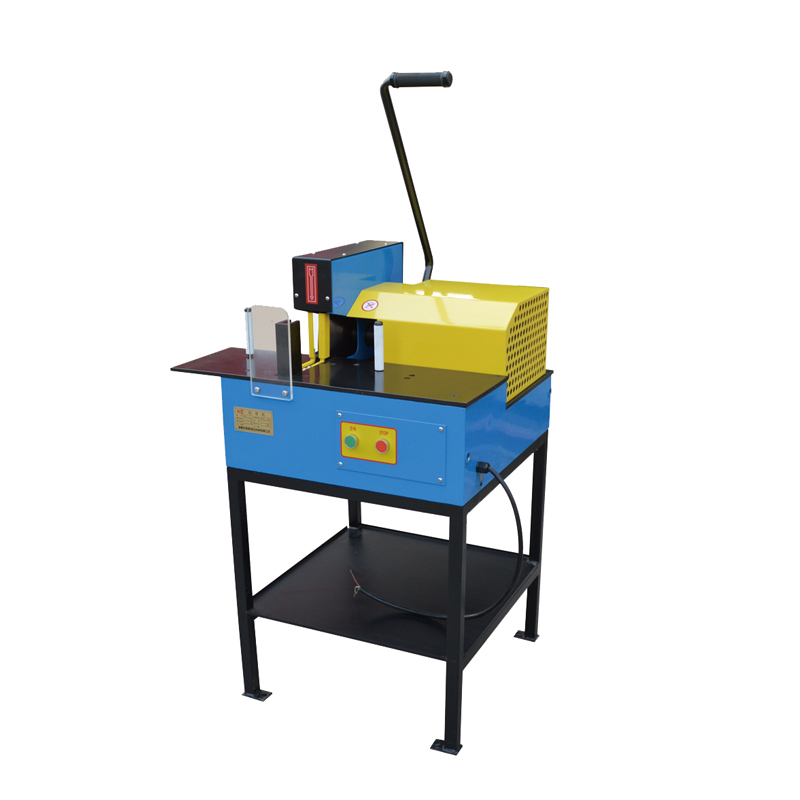
, it is necessary to first confirm the required tools and materials, including wrenches, cutters
hydraulic lines
、 Connectors and sealing rings, etc. In addition, ensure that appropriate personal protective equipment is available to ensure safety. When performing replacement operations, be sure to first turn off the power supply of the hydraulic system and release the internal pressure of the system. This process can be completed by operating the manual valve or release valve of the equipment to avoid accidents during disassembly. Before replacing
In summary, the replacement process of hydraulic hoses should follow safety regulations and operating guidelines, and the timing of replacement depends on accurate judgment of the hose status and the implementation of regular maintenance. By promptly replacing hydraulic hoses, the safety and efficiency of the hydraulic system can be ensured, providing necessary guarantees for the stable operation of the equipment.