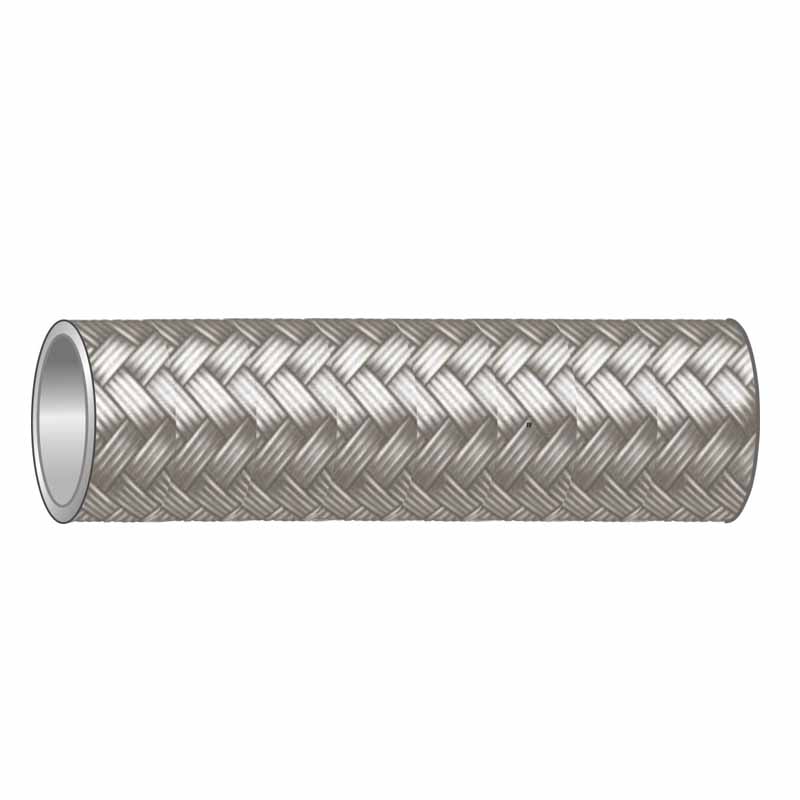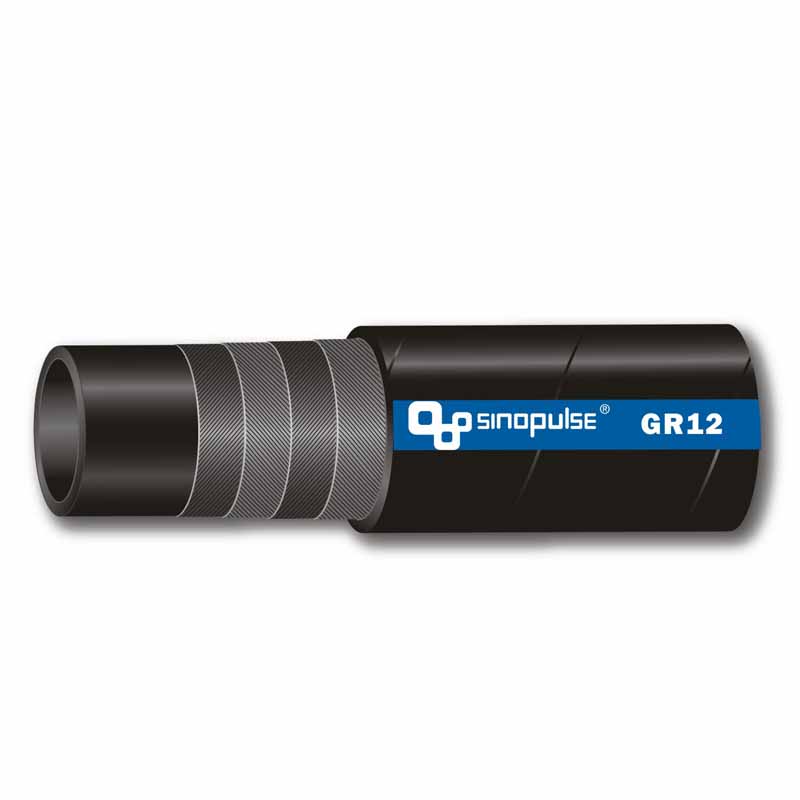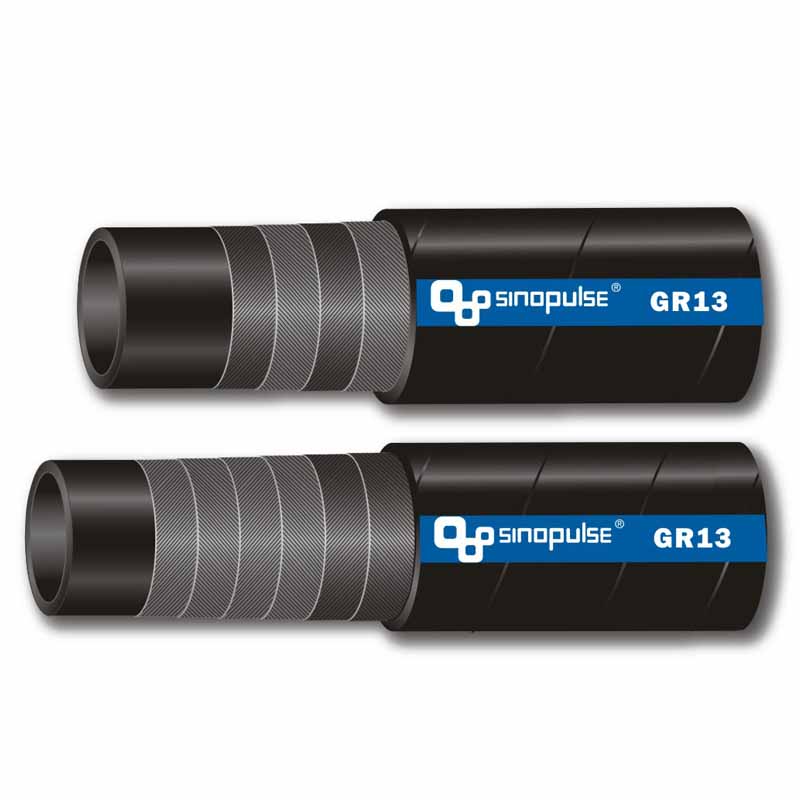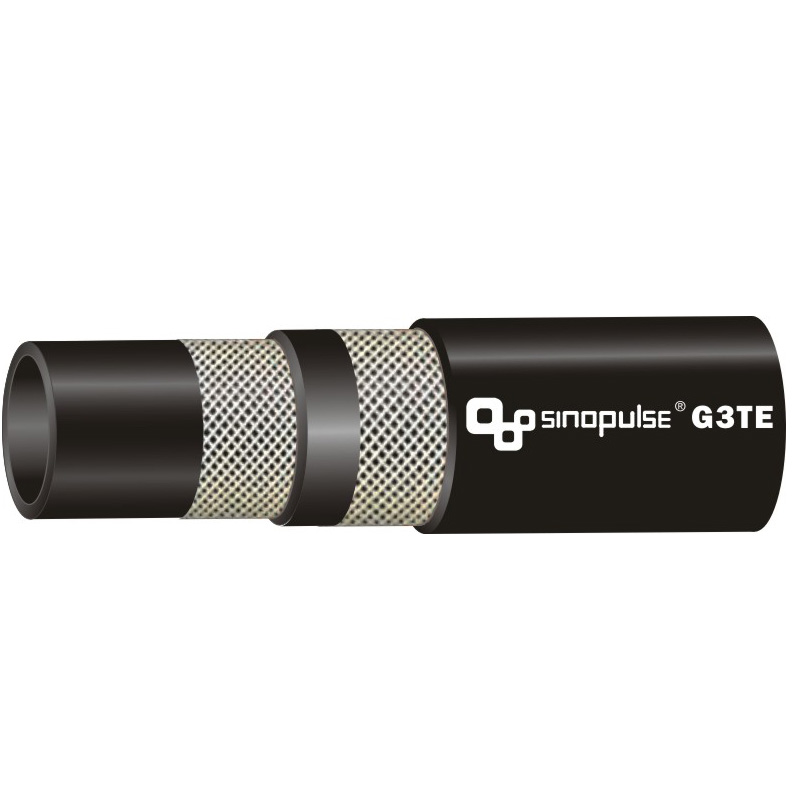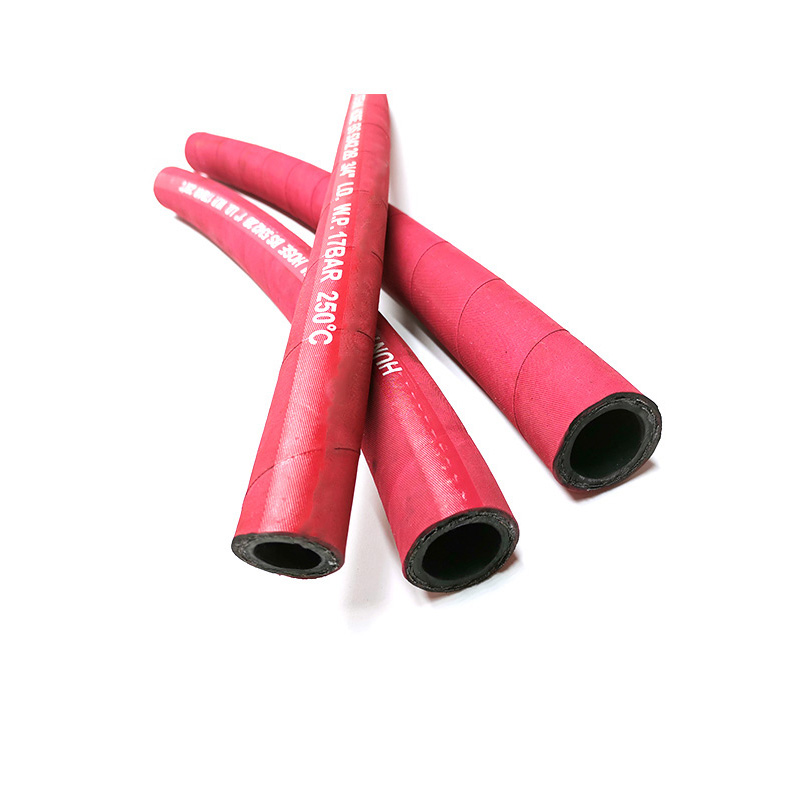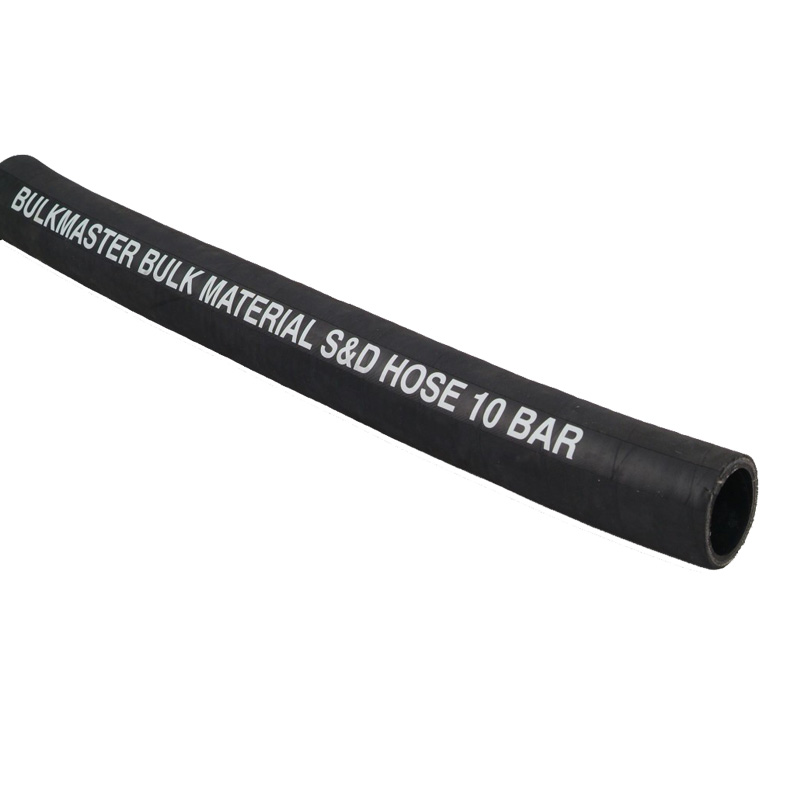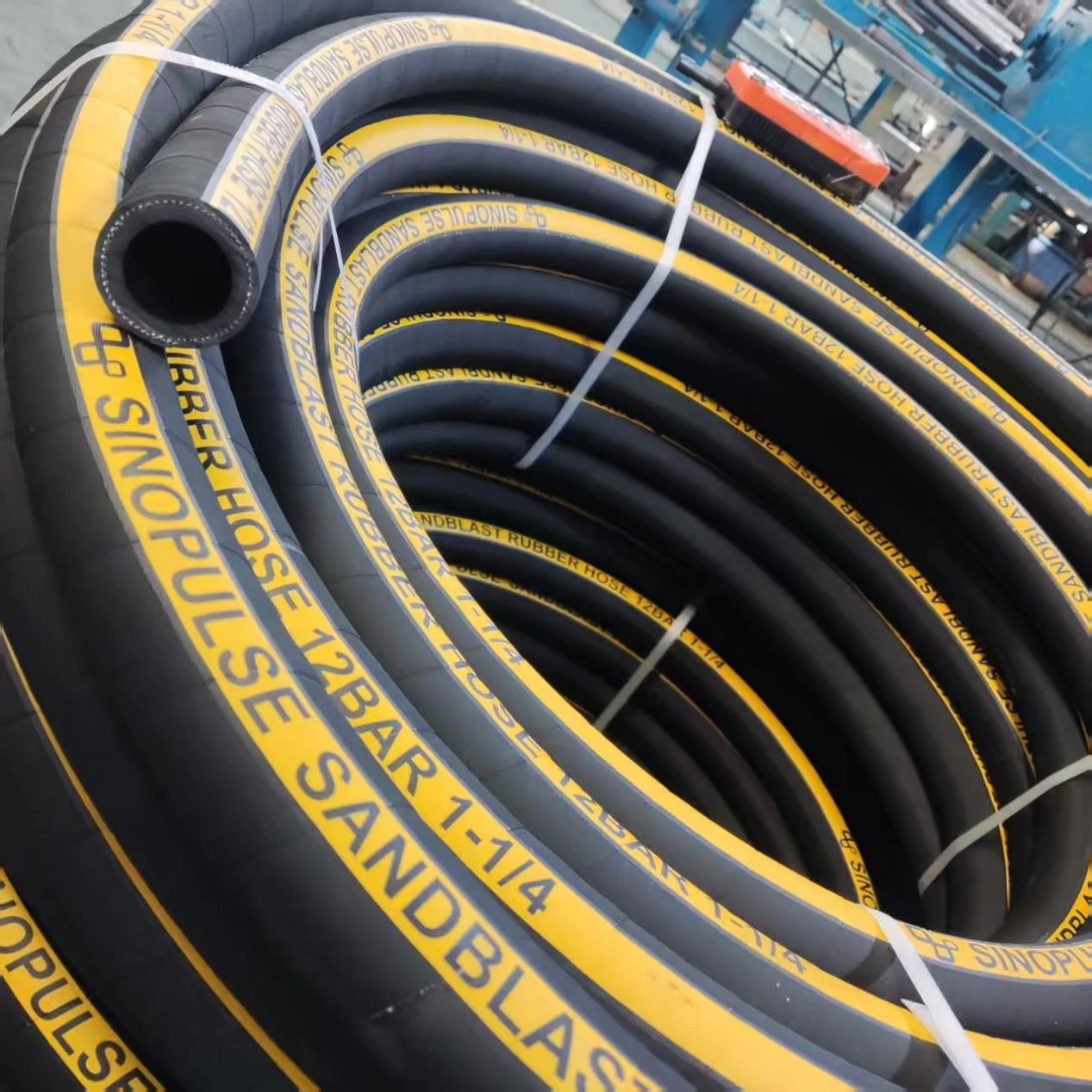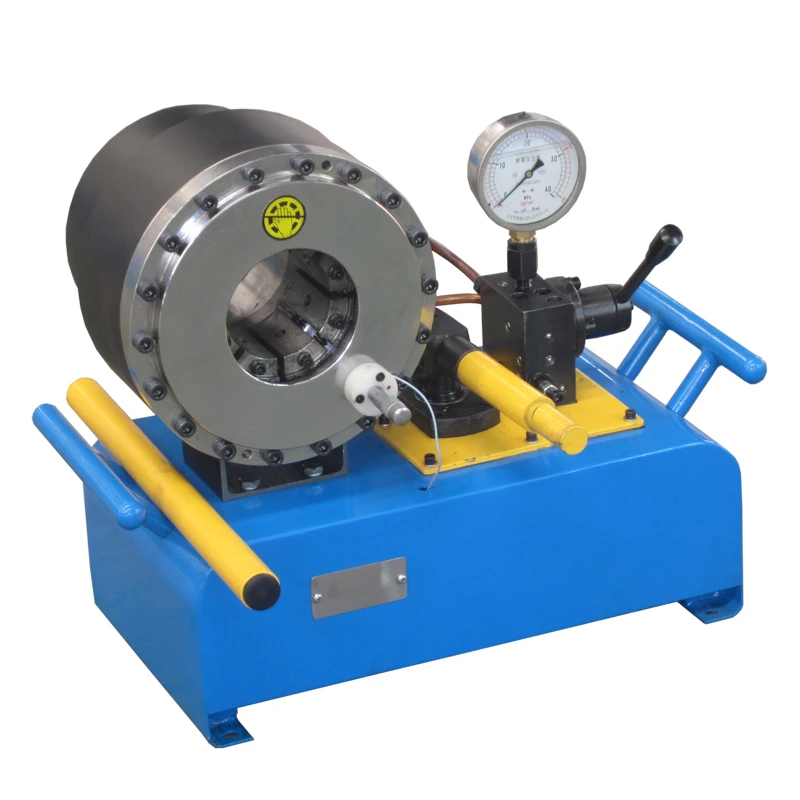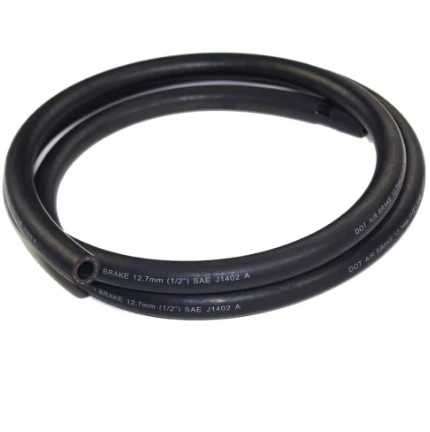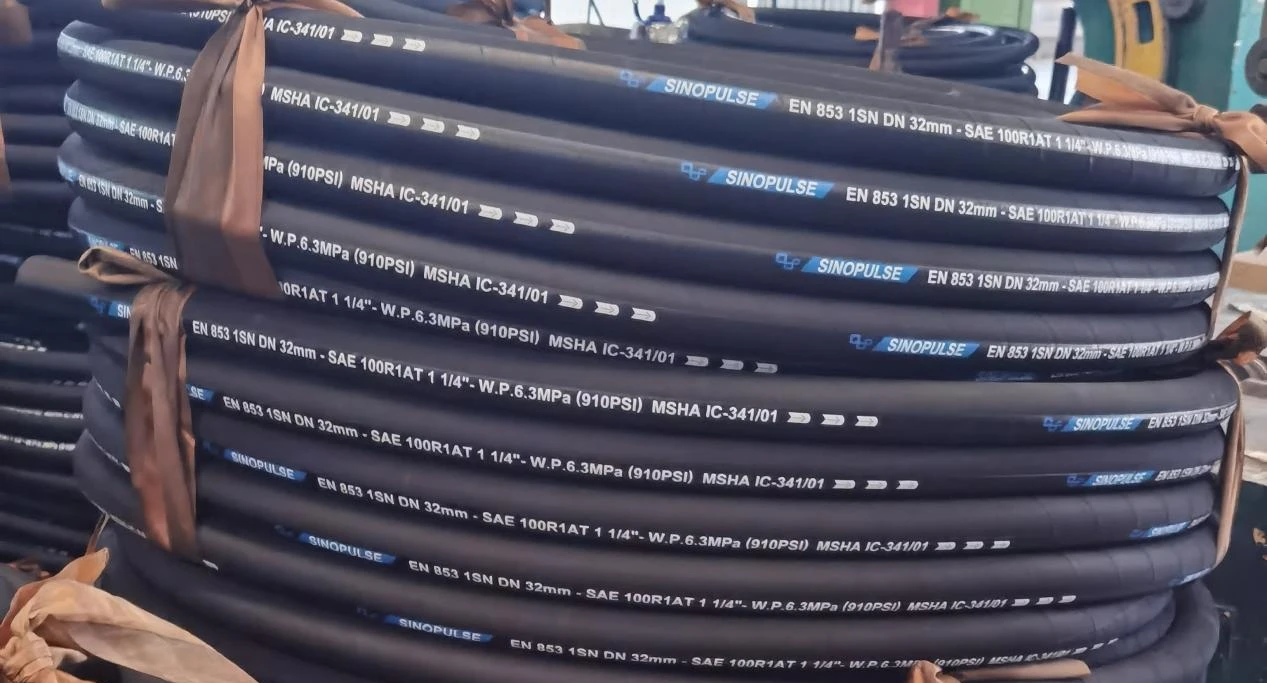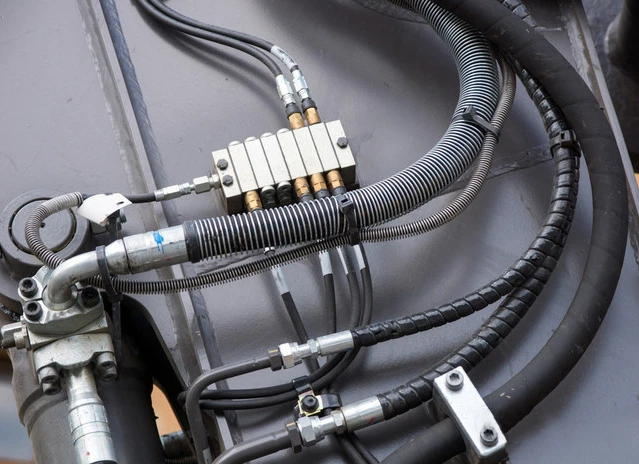



Auto fuel hose refers to a flexible pipeline used for transporting fuel, which plays a crucial role in the fuel system of automobiles. As an important component connecting the fuel pump, fuel filter, and fuel injection system, fuel hoses are subjected to high temperature and high pressure working environments, so their material and technical requirements are relatively strict.
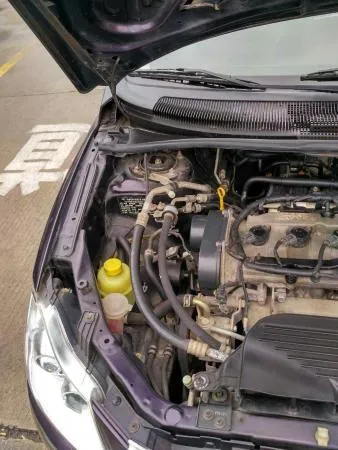
The material of auto fuel hoses is usually made of high-performance materials such as fluororubber, polyurethane, nylon, silicone etc. These materials not only have excellent oil resistance, but also excellent weather resistance and temperature resistance. Especially silicone fuel hoses and rubber fuel hoses are common. Its unique structural design and material selection enable the fuel hose to effectively prevent fuel leakage, ensuring vehicle safety and environmental protection.
Firstly, during the fuel delivery process, auto fuel hoses can effectively transport fuel from the tank to the engine, providing continuous power to the engine. In addition, fuel hoses also play a role in shock absorption and buffering in the fuel system, which can prevent pipeline damage caused by vibration and improve the overall stability of the system.
In many fuel injection systems, precise fuel delivery is key to ensuring efficient engine operation. High quality hose can ensure smooth flow of fuel in pipelines, reduce flow resistance, and thus improve engine efficiency and performance.
The industry is developing new materials that are lighter and more durable to meet the demand for
In short, automotive fuel hoses are an important component of the automotive fuel system, playing an indispensable role in fuel delivery, system stability, and engine performance. With the continuous innovation of the automotive industry and the increasingly strict environmental standards, the technological progress of fuel hoses will undoubtedly promote the comprehensive development of the automotive industry, providing safer, more environmentally friendly, and efficient solutions for future transportation vehicles.