


A
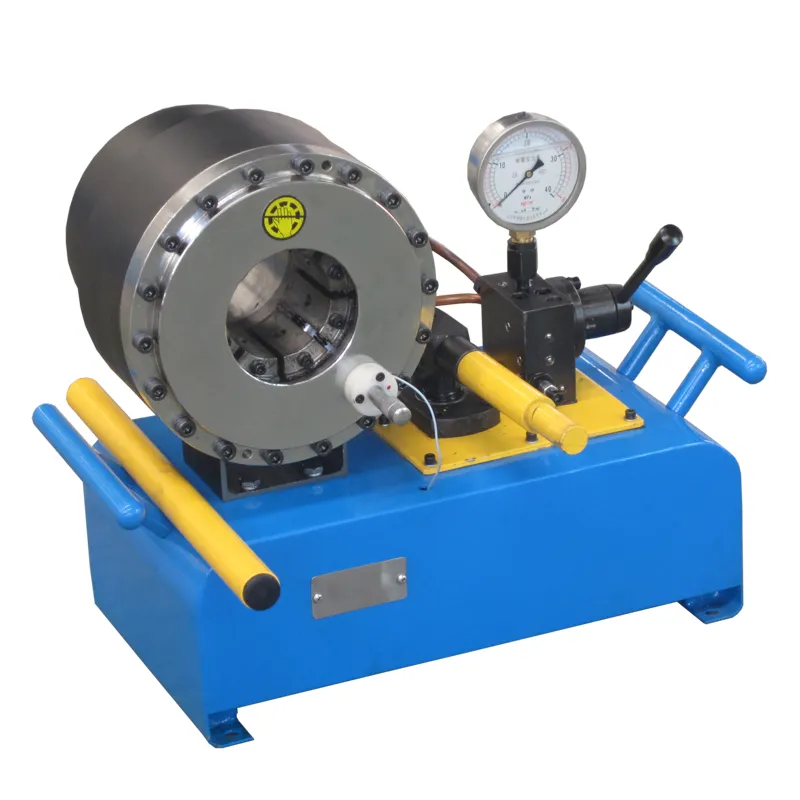
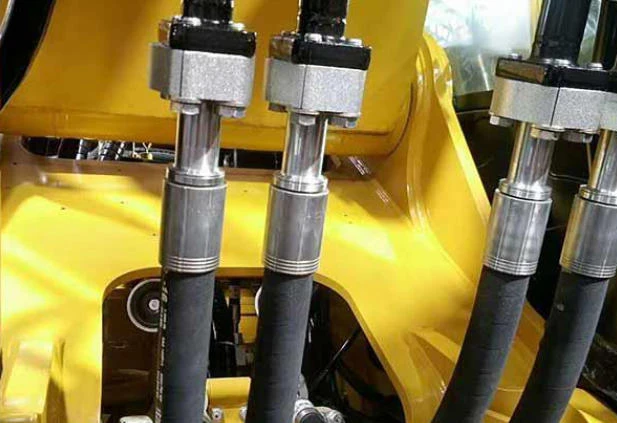
A manual hose crimping machine operates using a hand-powered mechanism to compress hose fittings onto hoses. The process involves placing the hose and fitting into the machine’s die set, then crimping the fitting into place. The machine’s dies are replaced, allowing compatibility with various hose sizes and fitting types.
Precision is critical in crimping, as under-crimping can lead to leaks, while over-crimping may damage the hose. Operators must follow manufacturer specifications for crimp diameter and pressure. Some models include gauges to monitor crimping force, ensuring consistent results. For additional quality assurance, a
The manual hose crimping machine offers distinct advantages that make it a preferred choice for many hydraulic hose assembly applications.
Firstly, its portability stands out as a key benefit. Unlike bulky automated systems, manual crimpers are compact and lightweight, enabling technicians to perform on-site repairs and mobile servicing with ease. This makes them particularly valuable for field operations where immediate hose assembly is required. Secondly, cost-effectiveness makes manual crimping machines an economical solution. They require significantly lower initial investment compared to automated alternatives such as
These benefits collectively make the manual hose crimping machine a practical and efficient solution for many hydraulic hose assembly needs.
Furthermore, for operations involving hose preparation, a hose skiving machine or
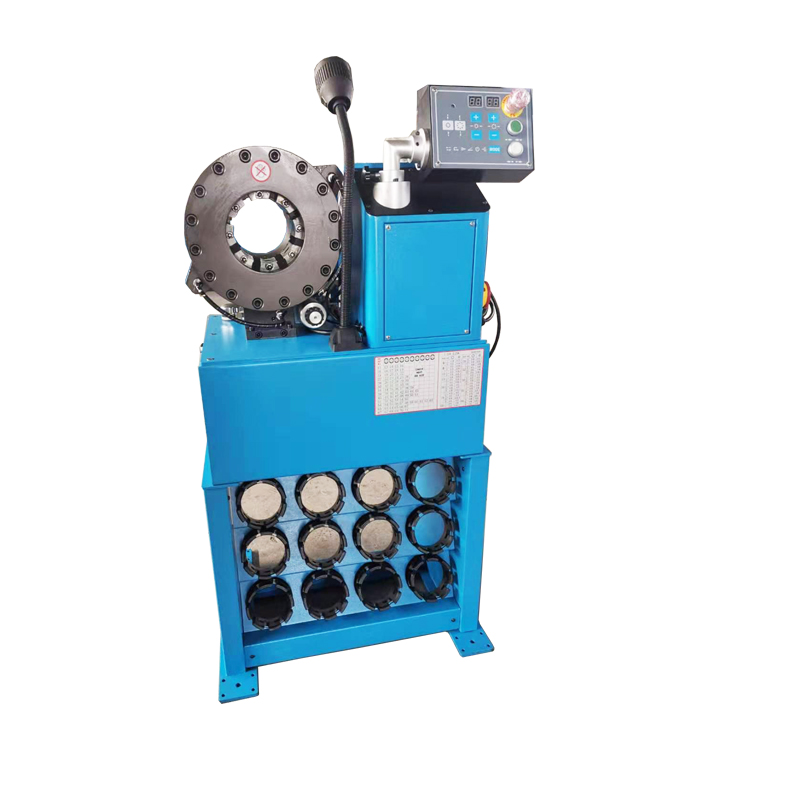
For larger-scale production, automated alternatives like an automatic hose cutter may improve efficiency, but manual crimpers remain indispensable for flexibility. When paired with a hose test bench , operators can ensure crimped hoses meet pressure and leakage standards before installation.
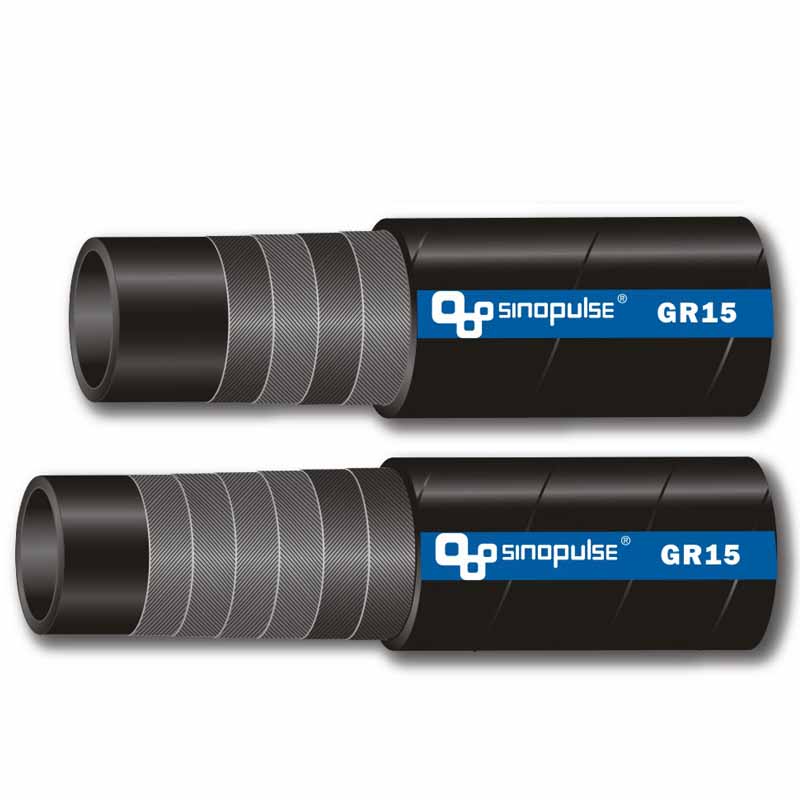
In facilities handling rubber hoses, a rubber hose cutting machine may be integrated into the workflow to streamline preparation before crimping. However, manual crimping remains a practical solution for low-volume or specialized applications.
The manual hose crimping machine remains a vital tool for hydraulic hose assembly, particularly in scenarios requiring mobility, cost efficiency, and adaptability. Its straightforward operation makes it accessible for field technicians, small workshops, and emergency repair situations where larger automated systems are impractical. Unlike high-volume production equipment, manual crimpers allow for precise adjustments and quick setup, ensuring reliable connections without the need for complex machinery. While advanced alternatives like automated crimpers and test benches improve efficiency in industrial environments, the manual hose crimping machine excels in flexibility, making it indispensable for on-site repairs and low-volume applications. Proper training and adherence to manufacturer specifications are essential to maximize performance, as incorrect crimping can compromise hose integrity. When integrated into a well-organized workflow, this tool enhances productivity while maintaining high standards of durability and leak resistance. Its continued relevance in industries such as agriculture, construction, and automotive servicing underscores its practicality, proving that even in an era of automation, manual solutions still play a crucial role in hydraulic maintenance and assembly.