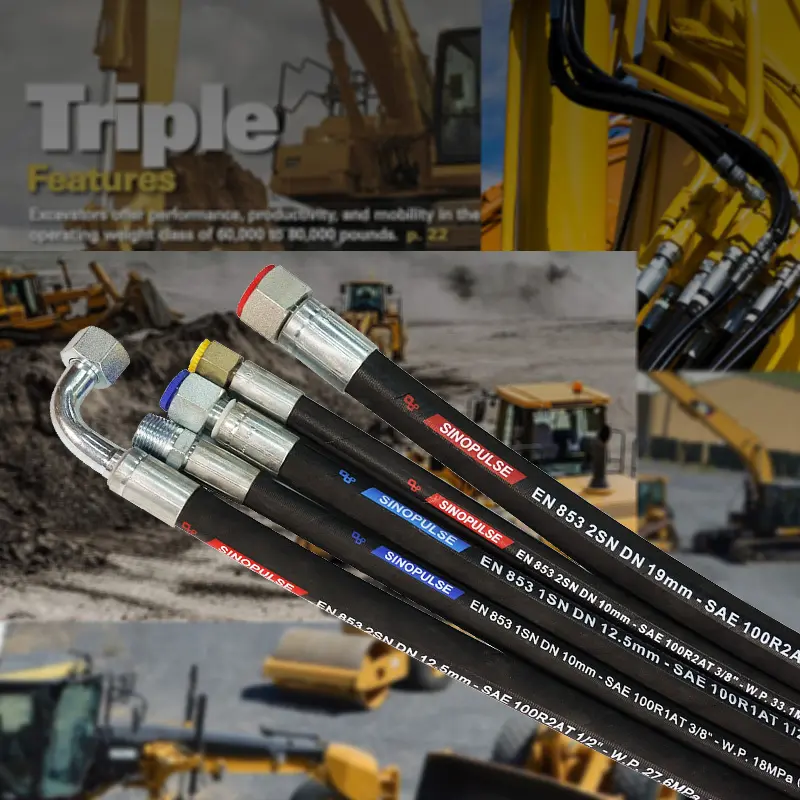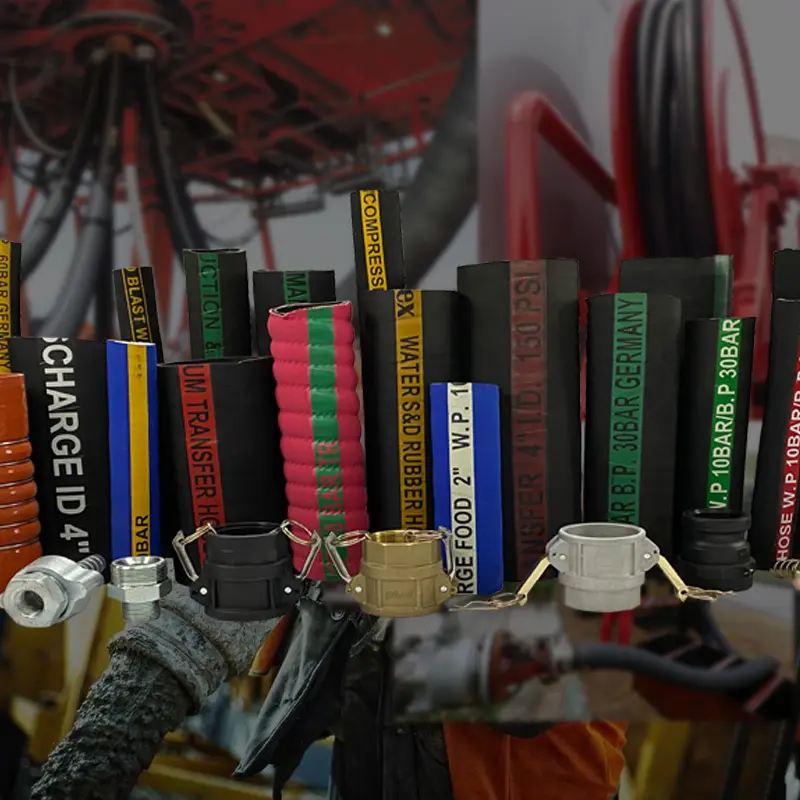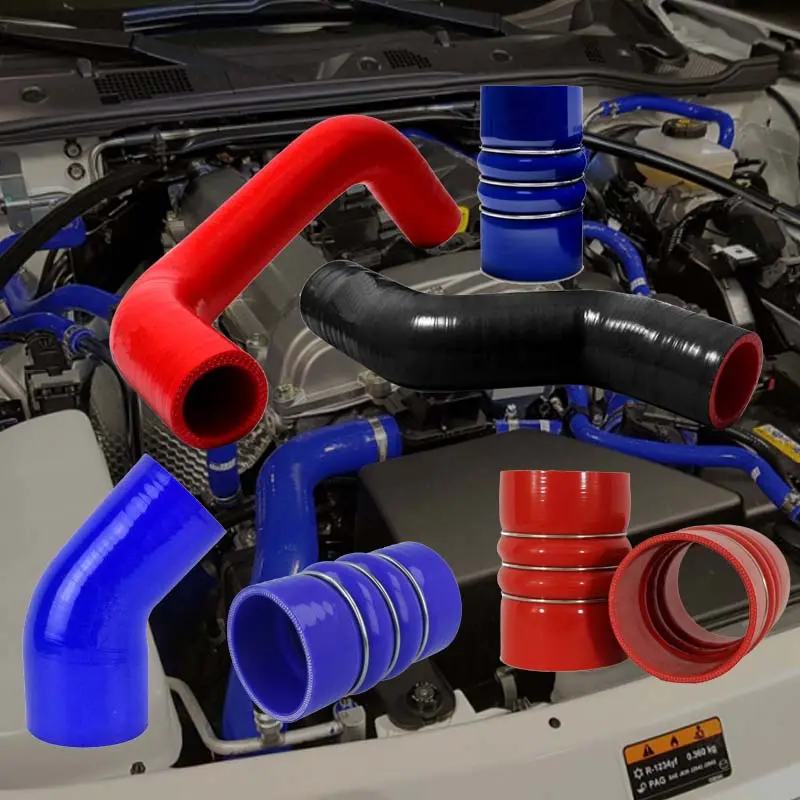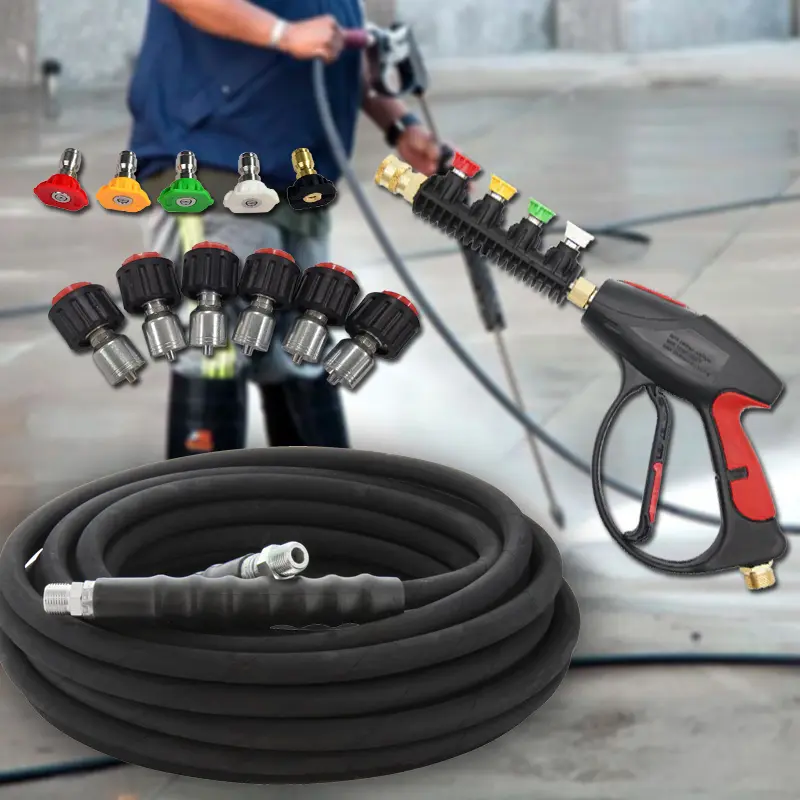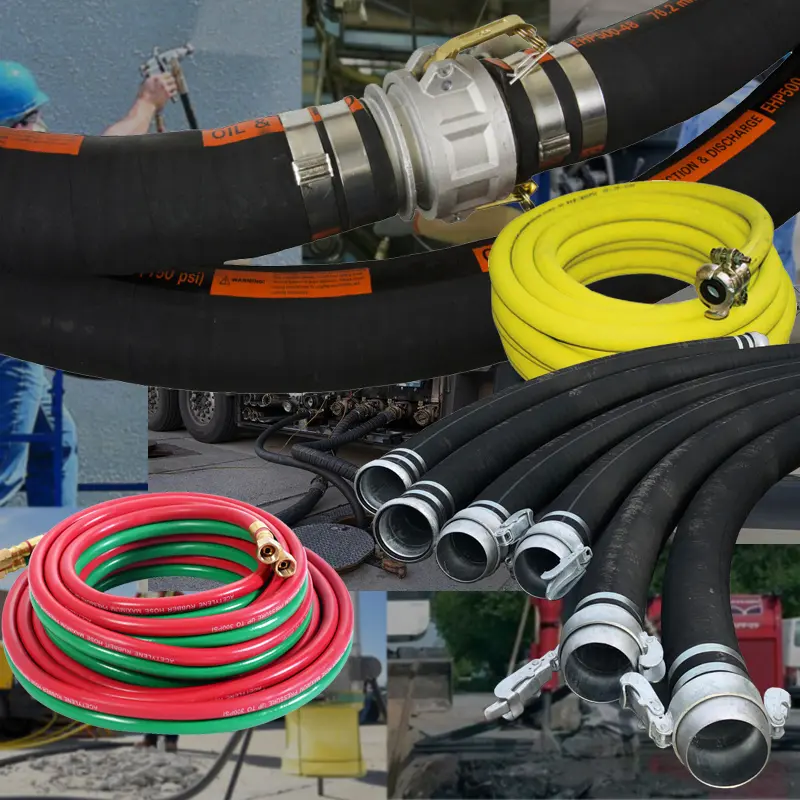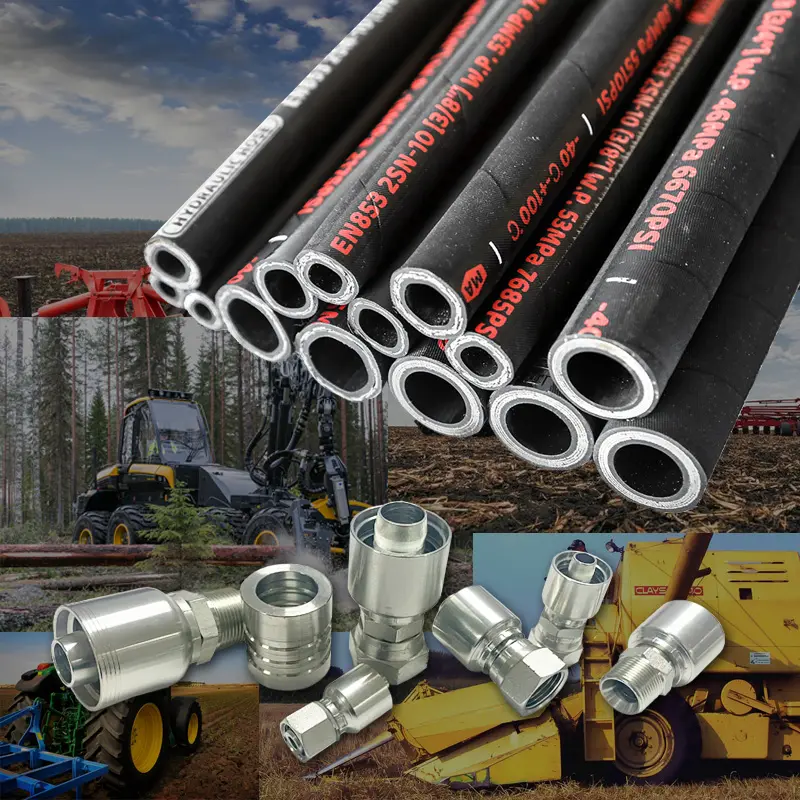



Choosing the correct hydraulic hose size is vital for system safety and performance. Size specifications include inner diameter, outer diameter, length, working pressure, and burst pressure. Understanding these helps you pick the right hose whether it’s a high pressure paint hose, a 5 16 high pressure fuel hose, or a high pressure flexible hose pipe. This guide explains these key dimensions and how they relate to your hydraulic application.
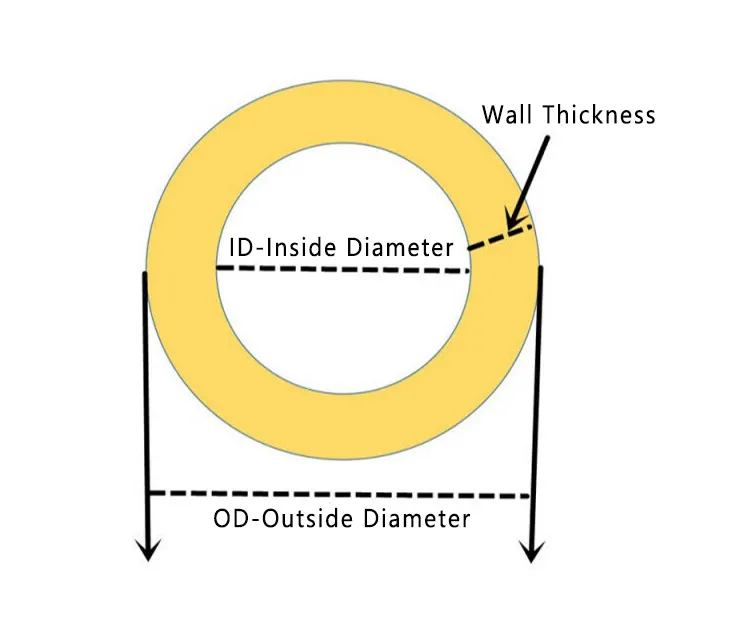
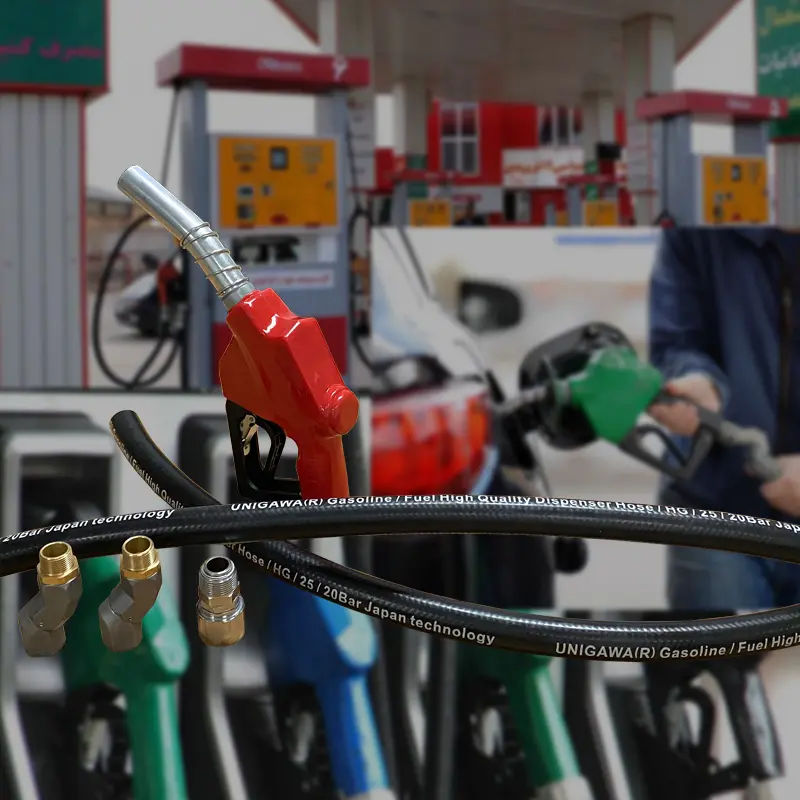
The inner diameter (ID) is the most critical size metric as it directly affects fluid flow rate and system efficiency. For high pressure flexible hose pipes, the ID must match the flow requirements without causing excessive pressure loss. For example, a 5 16 high pressure fuel hose has an ID of 5/16 inch, ideal for fuel lines requiring moderate flow and pressure.
Choosing a hose with too small an ID restricts flow, forcing pumps to work harder, while a too-large ID might reduce fluid velocity and system responsiveness. Proper sizing optimizes energy use and extends hose life.
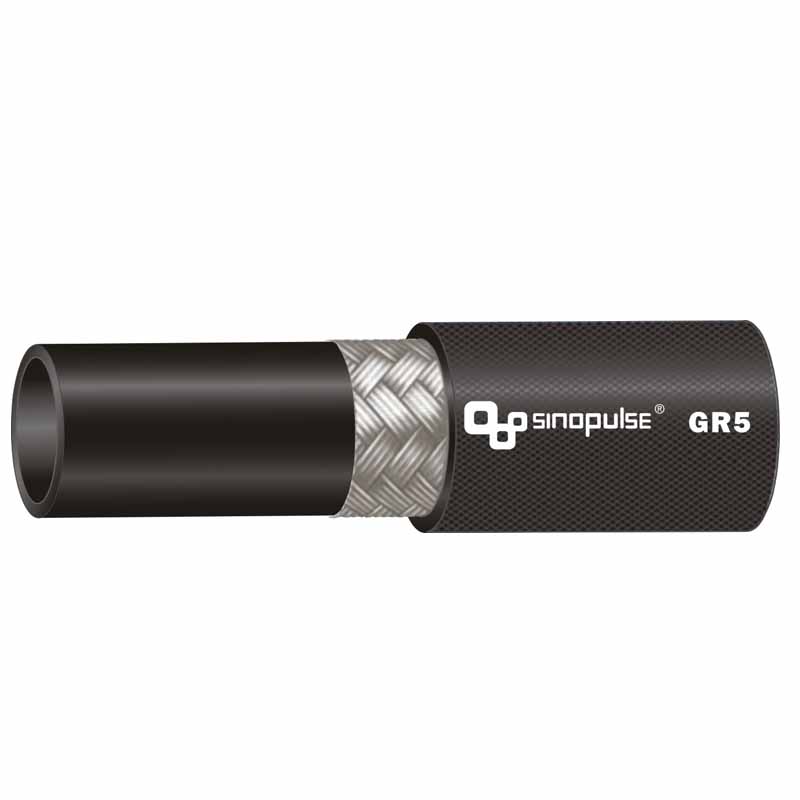
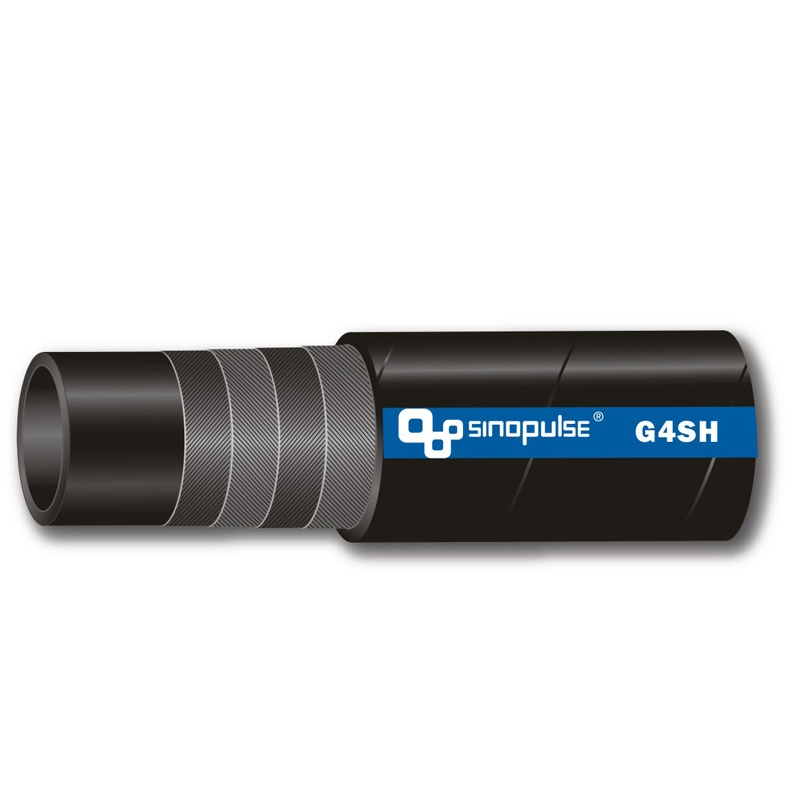
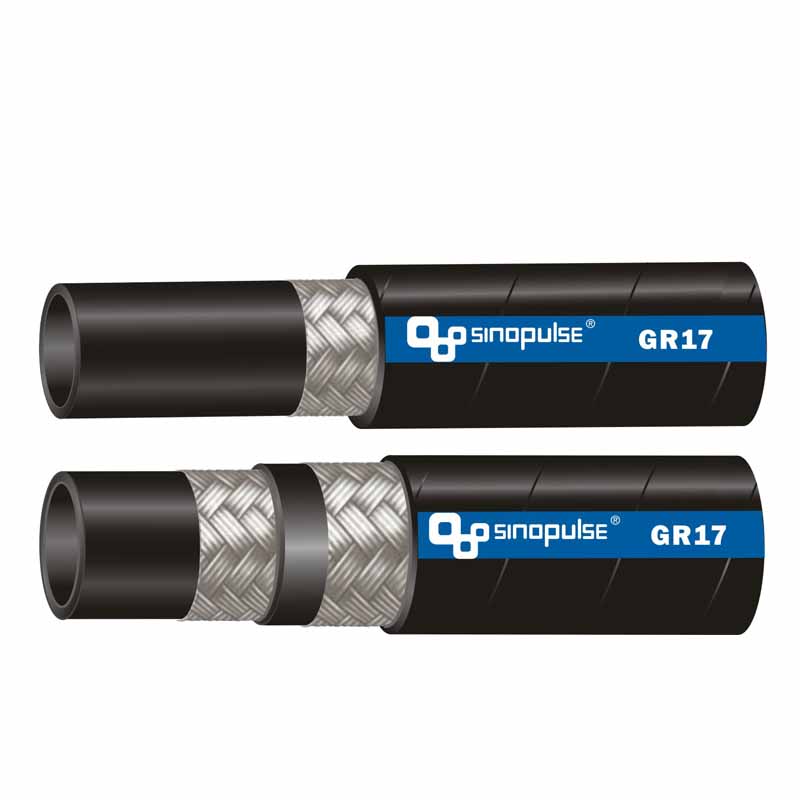
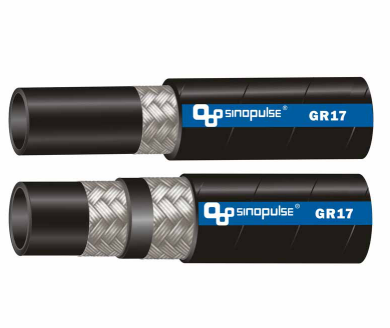
The outer diameter (OD) of a hose affects installation space and compatibility with fittings and clamps. High pressure paint hoses often have compact OD to allow maneuverability in spray equipment. The OD includes the inner tube, reinforcement layers (such as steel wire braids), and protective outer cover.
A larger OD typically means more reinforcement layers, enhancing pressure ratings but reducing flexibility. Selecting the right OD ensures the hose fits properly and endures the mechanical stresses of operation.
When buying a high pressure hose for sale, length is a crucial consideration. Too short a hose can cause tension and risk premature failure, while too long a hose adds unnecessary weight and pressure loss. Accurate length measurement helps maintain system reliability and prevents damage during operation.
Custom length options are common and recommended to fit specific system layouts precisely, improving safety and performance.
Working pressure is the maximum continuous pressure a hose can handle safely during operation. Burst pressure is the tested maximum pressure before failure, usually about four times the working pressure to provide a safety margin.
For instance, a high pressure paint hose might have a working pressure of 4000 psi and a burst pressure of 16000 psi. Knowing these values helps select hoses that match system demands, such as in industrial or agricultural applications.
FAQs About Hydraulic Hose Size
Choose an inner diameter that matches your system’s flow rate to avoid pressure loss or excessive fluid velocity. Consulting hydraulic hose manufacturers helps ensure correct sizing.
Outer diameter affects hose flexibility, fitting compatibility, and installation space. A larger OD usually means more reinforcement but less flexibility.
Length depends on system layout and movement needs. Proper length avoids tension or slack, preventing premature hose failure.
Working pressure is the maximum safe operating pressure. Burst pressure is the tested maximum pressure before failure, usually about four times the working pressure.
Accurate knowledge of hydraulic hose size—including inner diameter, outer diameter, length, working pressure, and burst pressure—is essential when choosing hoses. Proper sizing ensures efficient fluid flow, system reliability, and safety.
Before purchasing a high pressure hose for sale, consult trusted hydraulic hose manufacturers to confirm specifications tailored to your system’s needs.
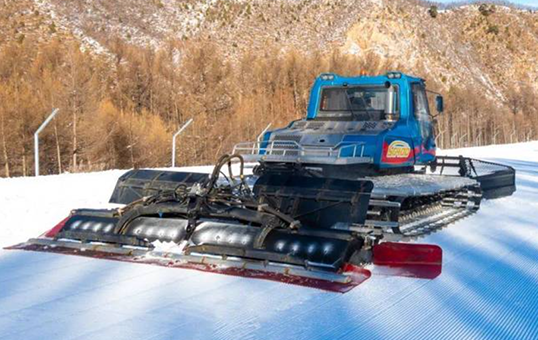
product recommendation
-
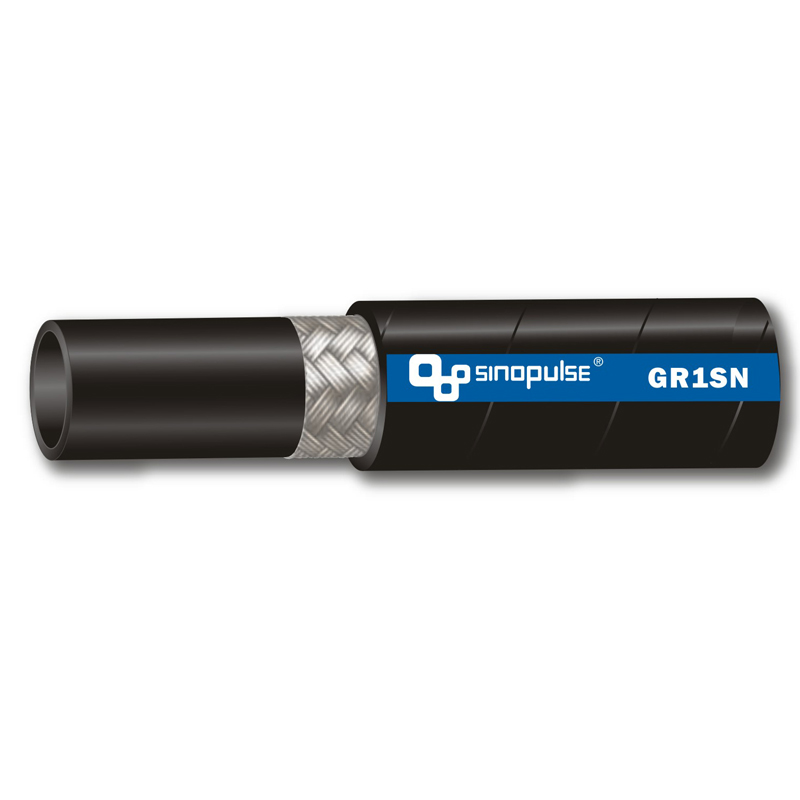 DIN EN853 1SN/ SAE100R1AT One Steel Wire Braided Hydraulic Hose
 -
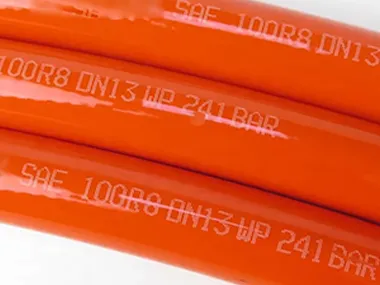
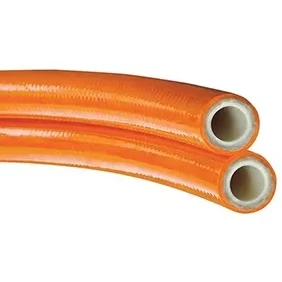 SAE 100R8 Non-Conductive Hydraulic Hose
 -
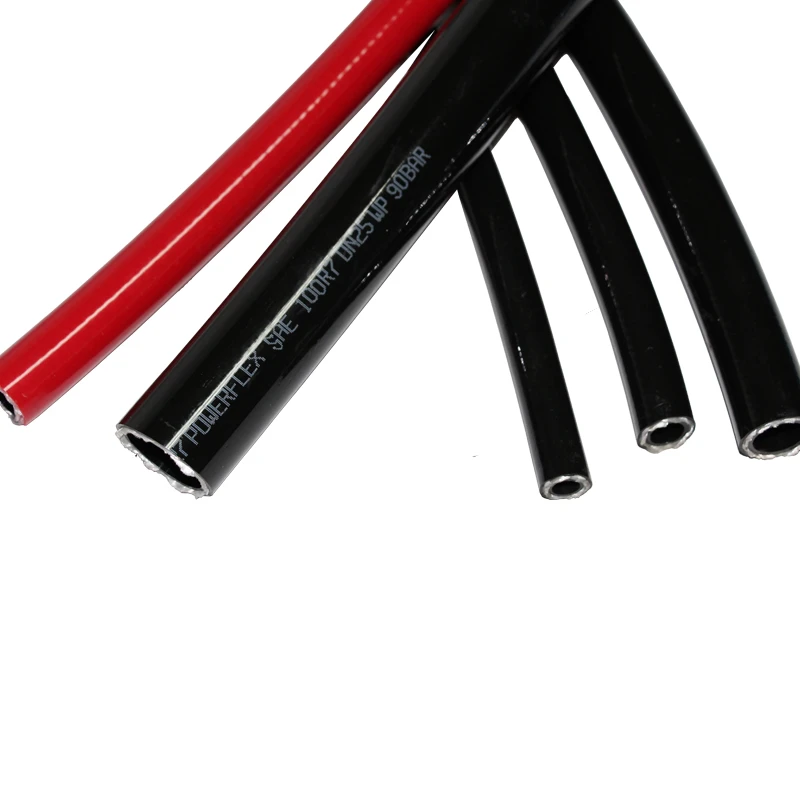 SAE 100R7N Non-Conductive Hydraulic Hose
 -
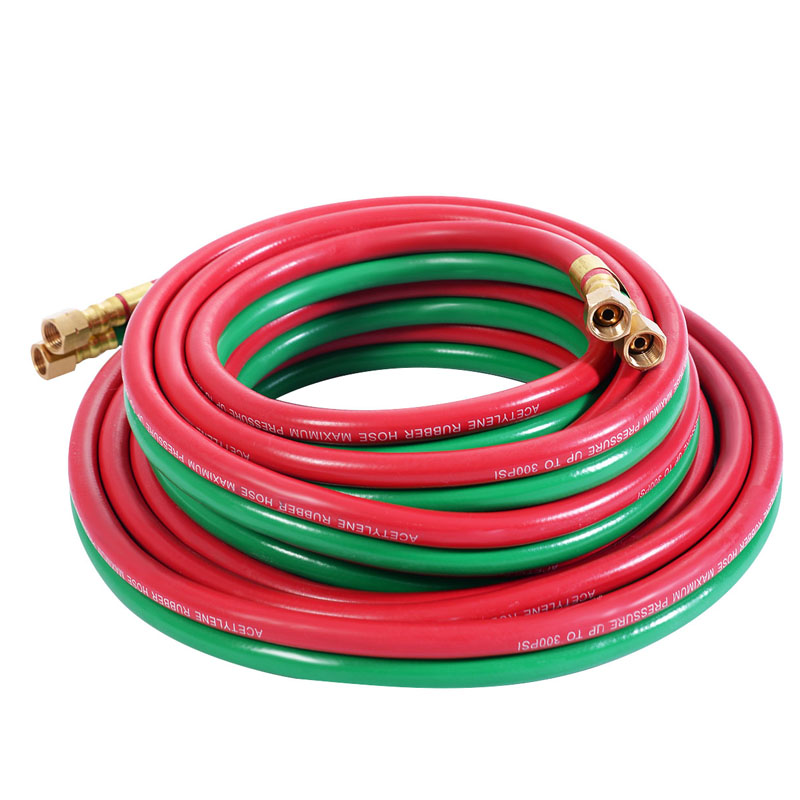 Oxygen & Acetylene Welding hose
Product Application