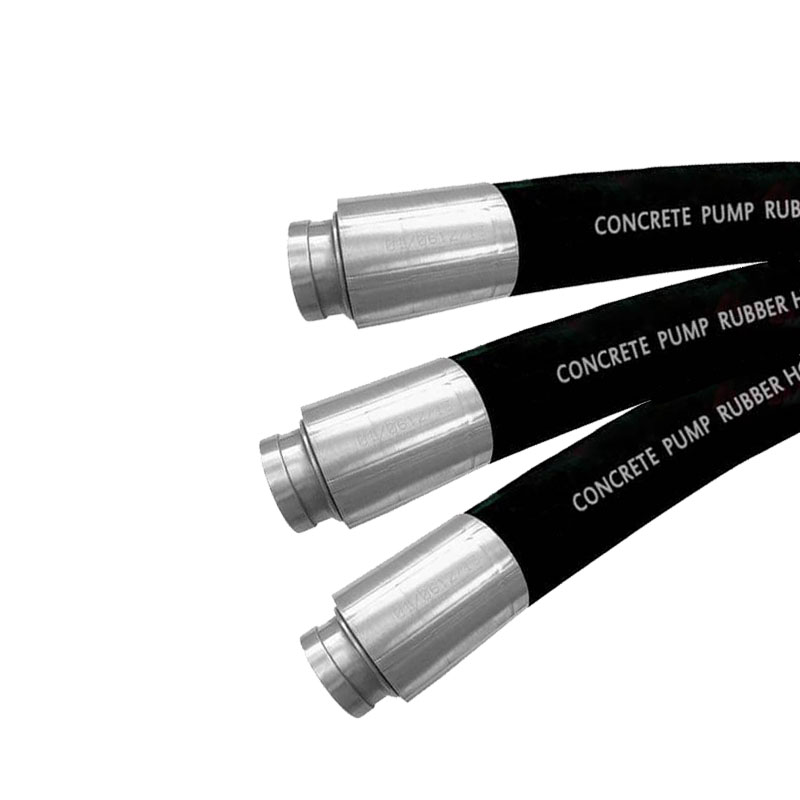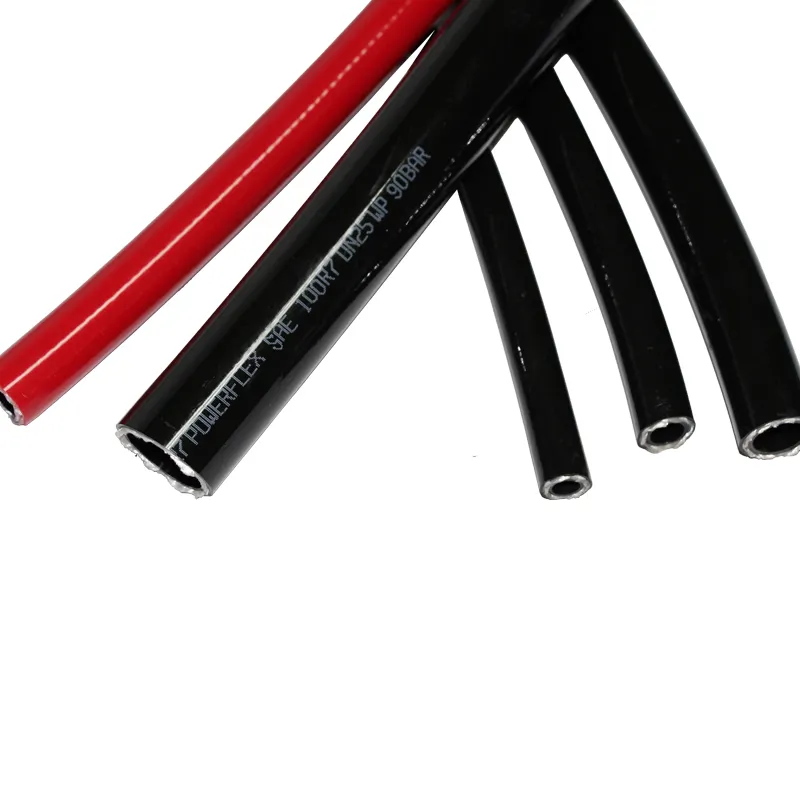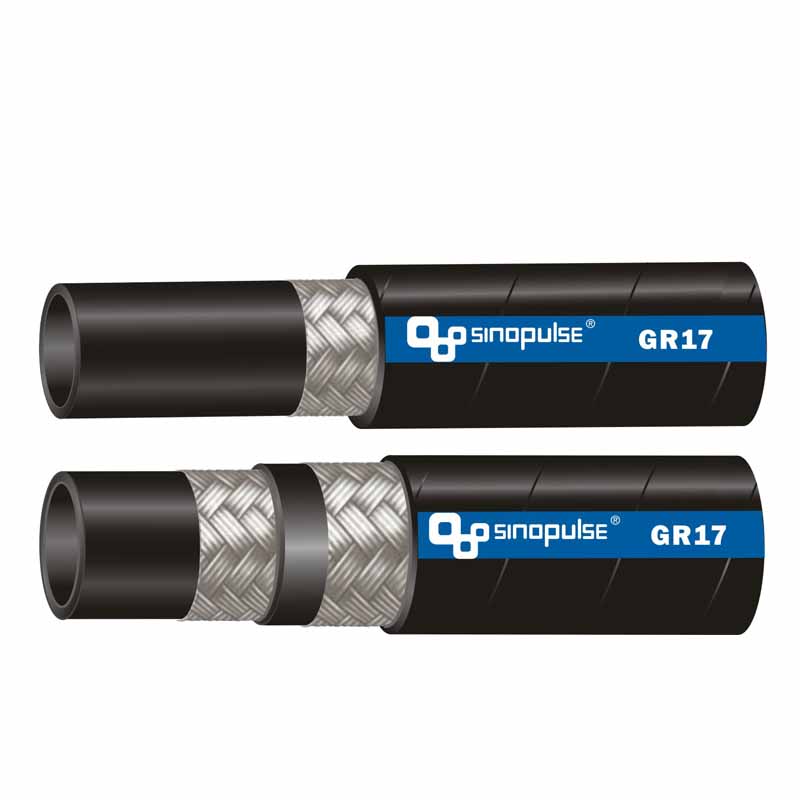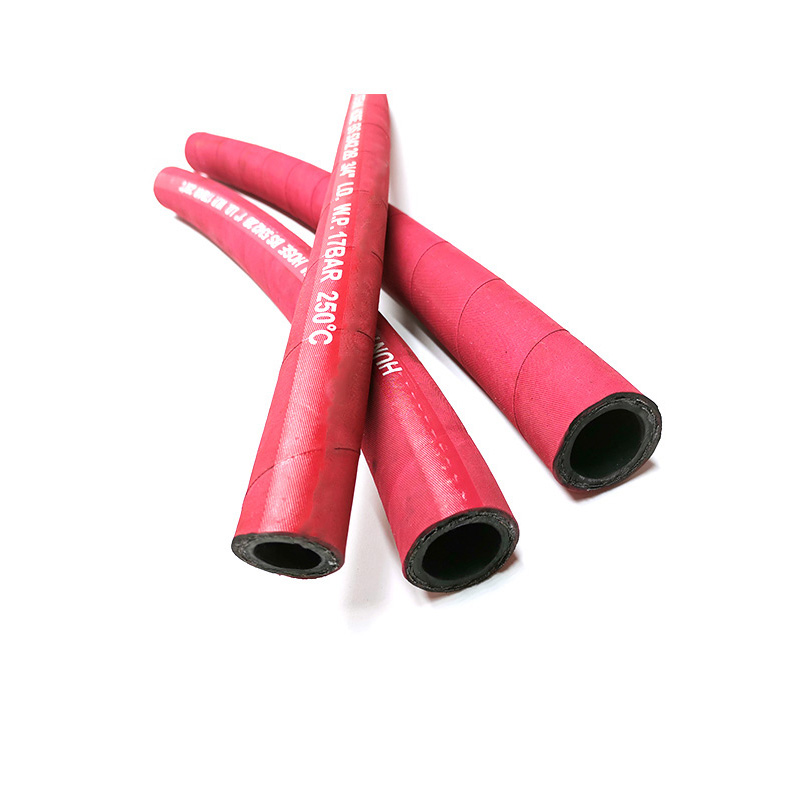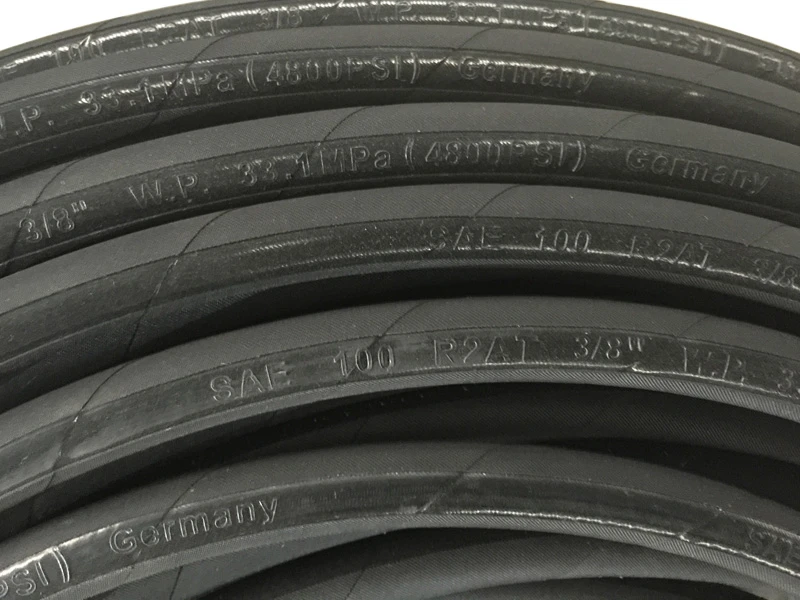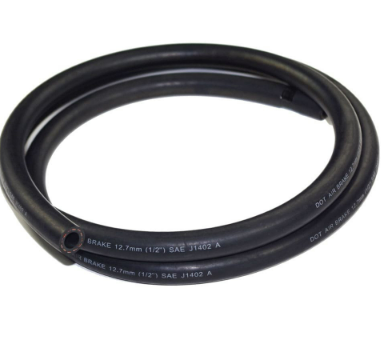



In the intricate network of hydraulic systems, hydraulic hoses act as the vital conduits for power and fluid, but even the most robust components have a lifecycle. Knowing when to replace them is crucial to avoid costly downtime, safety hazards, and performance degradation. As a trusted hydraulic hose manufacturer , SINOPULSE emphasizes proactive maintenance to ensure your systems operate at peak efficiency. This guide outlines key indicators for replacement, timing considerations, and strategies to prevent unexpected failures, empowering you to make informed decisions for your machinery.
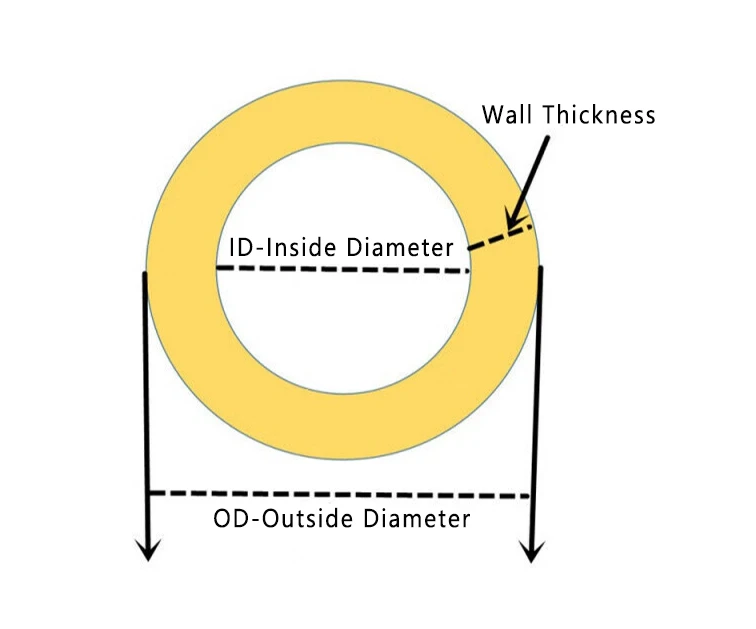
The outer cover of a hydraulic hose is the first barrier against environmental abuse. Look for:
- Abrasion Marks: Persistent rubbing against metal edges or moving parts creates surface wear. Even minor scratches on hydraulic hose pipe typeslike rubber or thermoplastic covers signal potential weakness.
- Cracks: Hairline cracks in the outer layer, especially near fittings or bends, indicate material degradation. UV exposure, ozone, or chemical contact often accelerate this process, requiring immediate attention.
- Swelling or Collapse: A hose that feels soft or spongy under pressure may have internal delamination, where the reinforcement layers separate from the inner tube.
- Kinks or Flattening: Permanent bends exceeding the minimum bend radius specified in hydraulic hose specifications restrict flow and weaken structural integrity, especially in high pressure hydraulic hose
Air or fluid trapped between layers creates visible bubbles, a clear sign of adhesive failure or moisture ingress. These defects compromise the hose’s pressure resistance and should never be ignored.
Even a tiny leak is a critical warning sign:
- Fluid Seepage: Moisture or oil residue around fittings or along the hose length indicates compromised seals. In food or pharmaceutical applications, such leaks risk contamination, making hydraulic hose replacement non-negotiable.
- Pressure Drops: A sudden loss of system pressure, despite intact fittings, may result from internal hose degradation reducing flow efficiency.
A healthy hose retains flexibility across its rated temperature range. If a hose feels brittle in cold weather or overly soft in heat, its material properties have likely degraded, increasing the risk of rupture under pressure.
Most hydraulic hoses have a recommended service life based on hydraulic hose specifications and industry standards:
- General Industrial Use: 3–5 years for hoses in moderate environments, such as conveyor systems or light machinery.
- High-Pressure Applications: Heavy-duty high pressure hydraulic hose in construction or mining may need replacement as early as 2–3 years due to constant stress.
- Specialized Materials: PTFE-lined hoses (for chemical resistance) or FKM hoses (for high temperatures) often have longer lifespans but still require annual inspections.
Always consult the manufacturer’s guidelines—neglecting age-related wear is a common cause of unexpected failures, even in seemingly intact hoses.
Your operating environment directly influences hose longevity:
- Extreme Temperatures: Hoses in engine bays (over 150°C) or arctic sites (-40°C) degrade faster. Inspect monthly for brittleness or softening.
- Corrosive Atmospheres: Marine, chemical, or salt-laden environments accelerate outer cover erosion. Stainless steel-braided or thermoplastic hoses may be necessary, but even they require quarterly checks for rust or material swelling.
- High-Vibration Zones: Near pumps, motors, or moving joints, vibrations fatigue reinforcement layers. Use vibration-damping clamps and inspect for wire exposure or fraying.
- Monthly Visual Checks: Incorporate hose inspections into your preventive maintenance schedule, noting any changes in texture, color, or flexibility.
- Annual Pressure Testing: For critical systems, verify burst pressure and leak resistance using specialized equipment to catch internal damage early.
- Fluid Compatibility Checks: Ensure the hydraulic fluid matches the hose’s hydraulic hose specifications , as mismatched materials (e.g., mineral oil in a water-based hose) cause accelerated degradation.
- Bend Radius Compliance: Install hoses with at least 10–15 times their diameter as the minimum bend radius to avoid kinking, a common cause of stress fractures.
- Secure Fittings: Use torque wrenches to tighten connectors to manufacturer standards, preventing leaks from loose fittings that strain the hose.
- Replace in Pairs: If one hose in a set shows wear, replace its counterparts to avoid uneven stress distribution.
- Upgrade When Necessary: If your application’s pressure or temperature demands have increased, opt for hoses with higher ratings, such as upgrading from SAE 100R1 to R2 for heavier loads.
-
Source from Trusted Manufacturers: Choose
hydraulic hoses for salefrom reputable suppliers like SINOPULSE, ensuring compliance with ISO, SAE, or DIN standards for consistent quality.
Hydraulic hose failure rarely happens without warning—visible wear, functional issues, and environmental factors all provide clues. By combining regular inspections, respect for lifespan guidelines, and proactive maintenance, you can avoid the chaos of unexpected downtime. Remember, the cost of a timely hydraulic hose replacement pales in comparison to the losses from a catastrophic failure.
As a leading