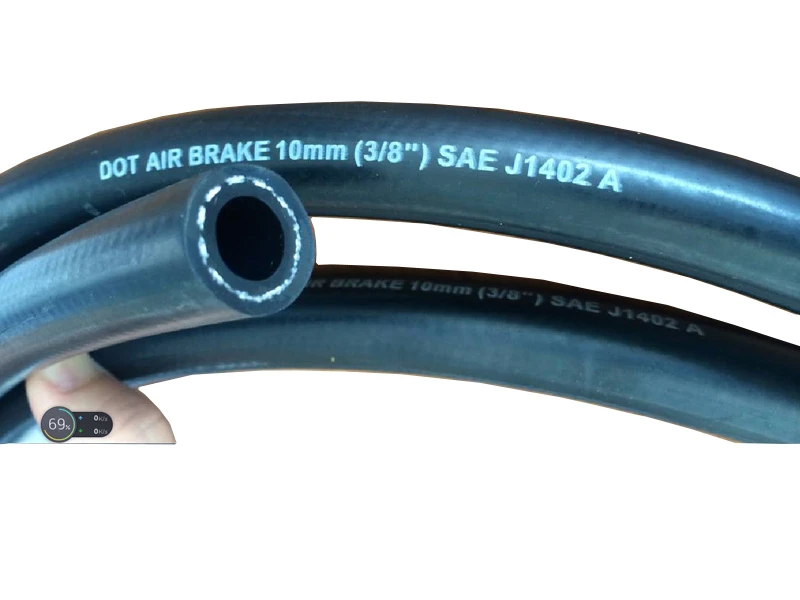



In the dynamic landscape of hydraulic systems, braided hoses stand as the backbone of reliable fluid transmission, combining flexibility with structural integrity. As a leading hydraulic hose manufacturer , we understand that choosing between textile braided and wire braided hoses requires insight into their unique characteristics. This guide delves into the definitions, applications, and key differences between these two hose types, empowering you to make an informed decision for your specific operational needs.
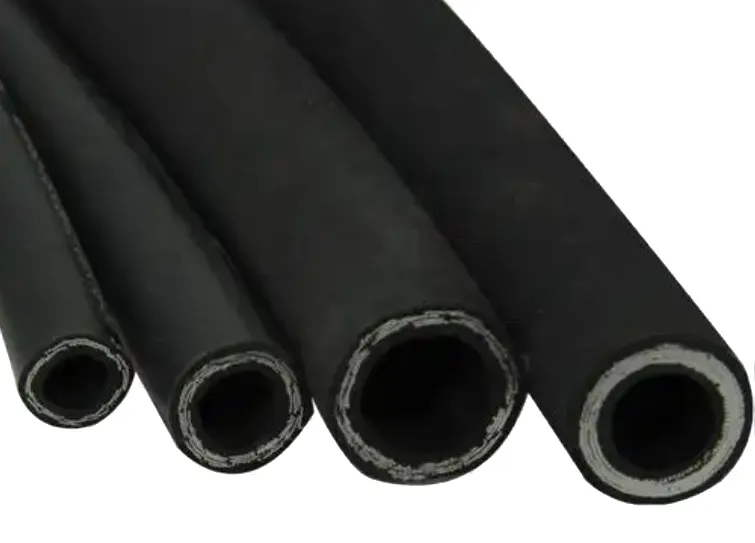
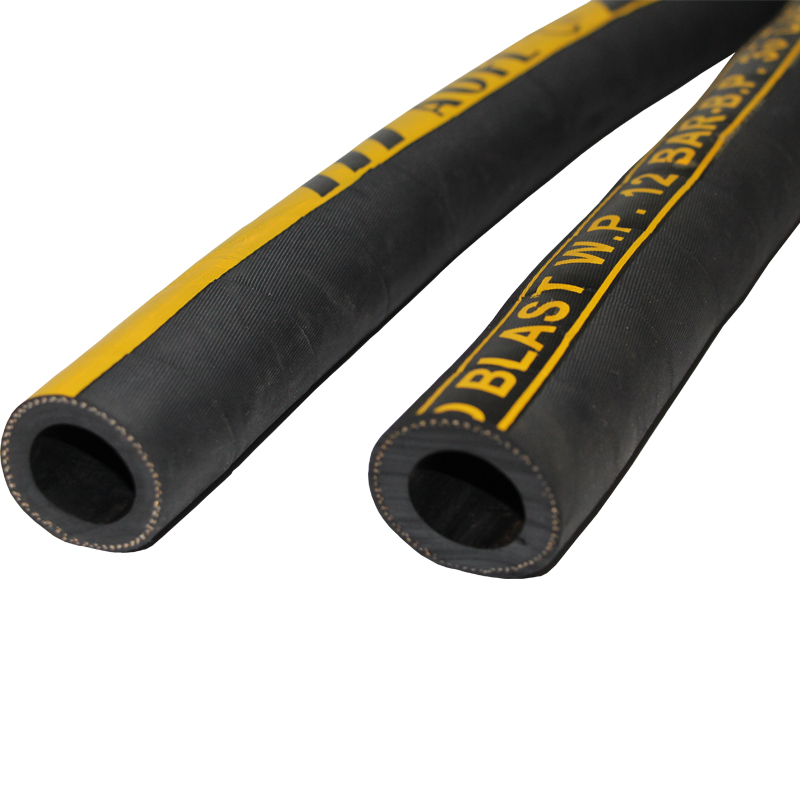
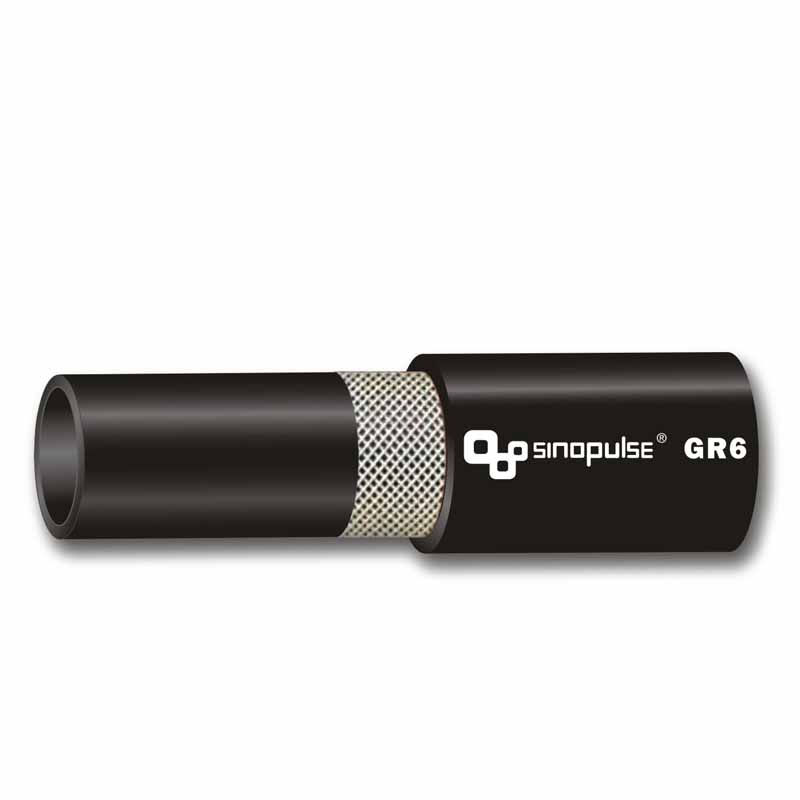
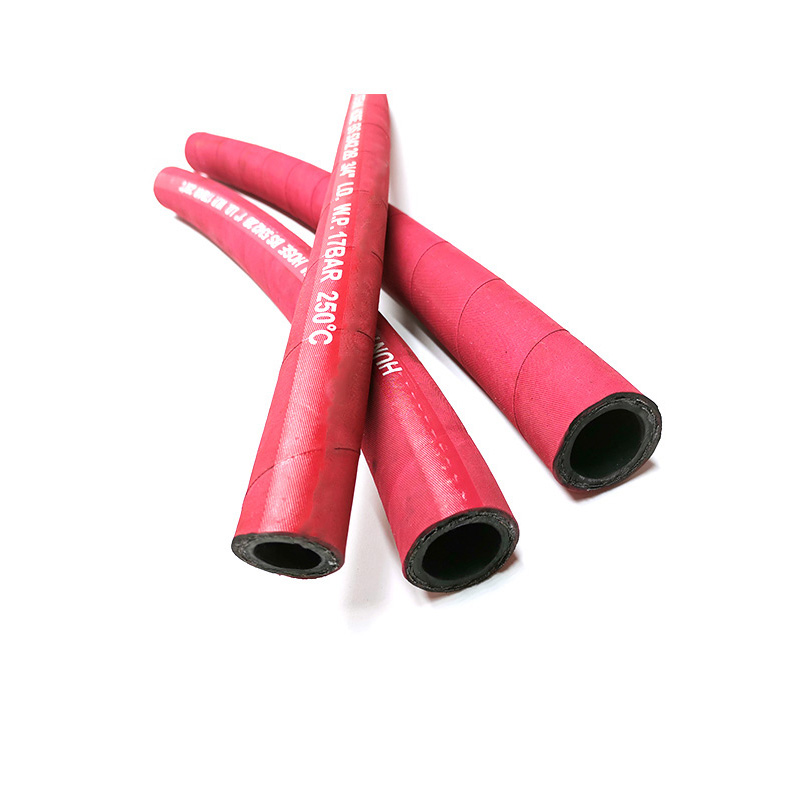
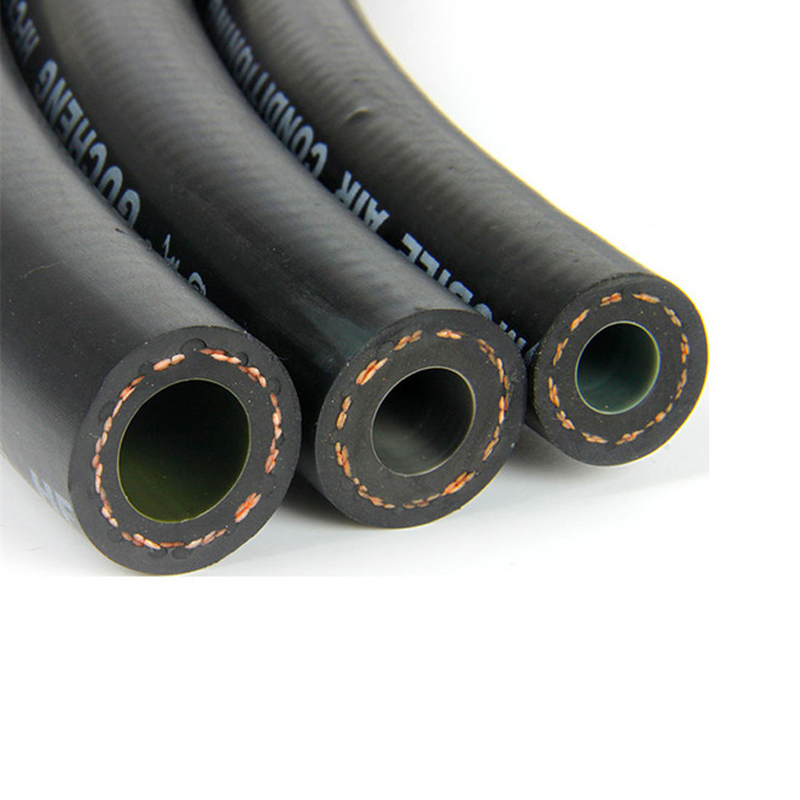
Textile braided hydraulic hoses are engineered for medium to low-pressure systems, leveraging braided textile fibers—such as polyester or nylon—as their reinforcement layer. This construction prioritizes flexibility and weight reduction over extreme pressure resistance, making them ideal for applications where maneuverability and cost efficiency are critical. Unlike steel-reinforced counterparts, textile braids offer gentle vibration absorption and ease of routing in confined spaces, ensuring reliable performance without the bulk.
- SAE 100 R6 Single Fiber Braided Hose : Suited for general hydraulic applications, this hose meets SAE standards for medium-pressure systems, with a textile braid that withstands up to 1,500 PSI.
- DIN EN854 2TE Textile Reinforced Hose : Designed for industrial machinery, this model features a double-textile braid for enhanced durability, compatible with petroleum-based fluids and water-glycol mixtures.
- SAE 100 R3 Double Fiber Braided Hose : Engineered for low-pressure hydraulic systems, its dual-textile braid offers superior kink resistance, ideal for agricultural tools and light-duty equipment.
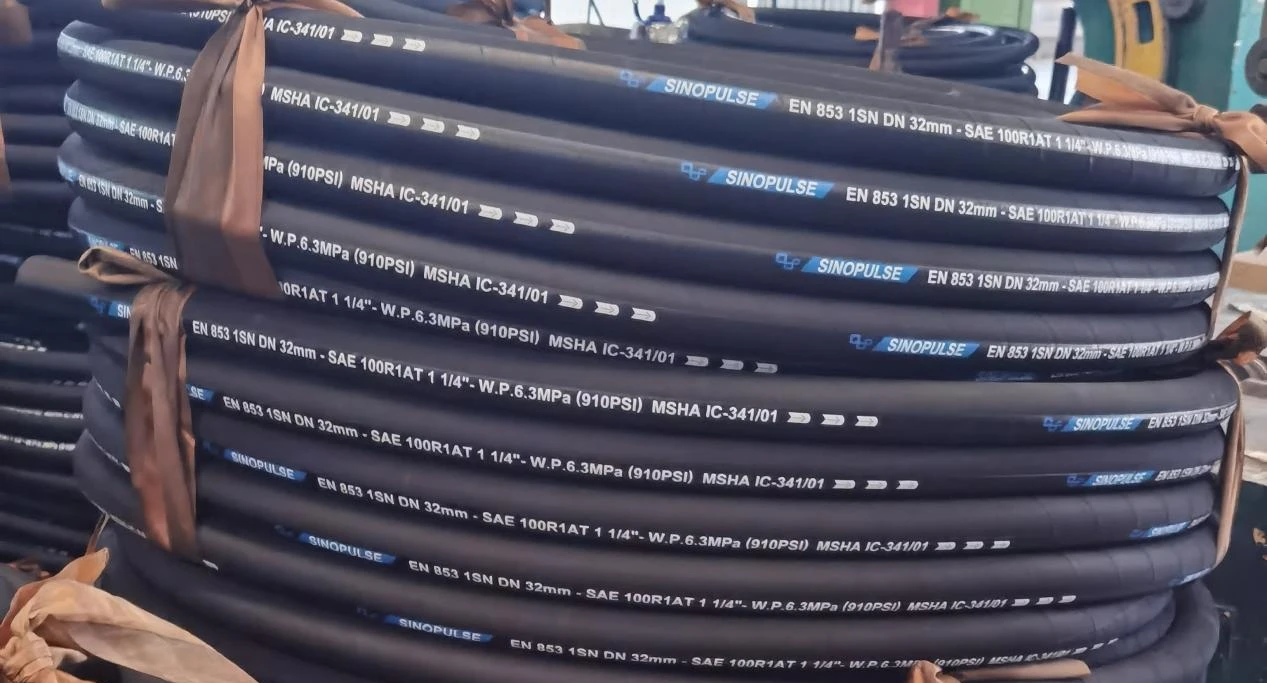
- SAE 100 R1AT One Steel Wire Braided Hose : A single-layer steel braid hose, perfect for mobile hydraulics in forklifts and material handling equipment.
- DIN EN853 2SN Two Steel Wire Braided Hose : With a double-steel braid construction, this model withstands 5,000 PSI, suitable for excavators and hydraulic lifts.
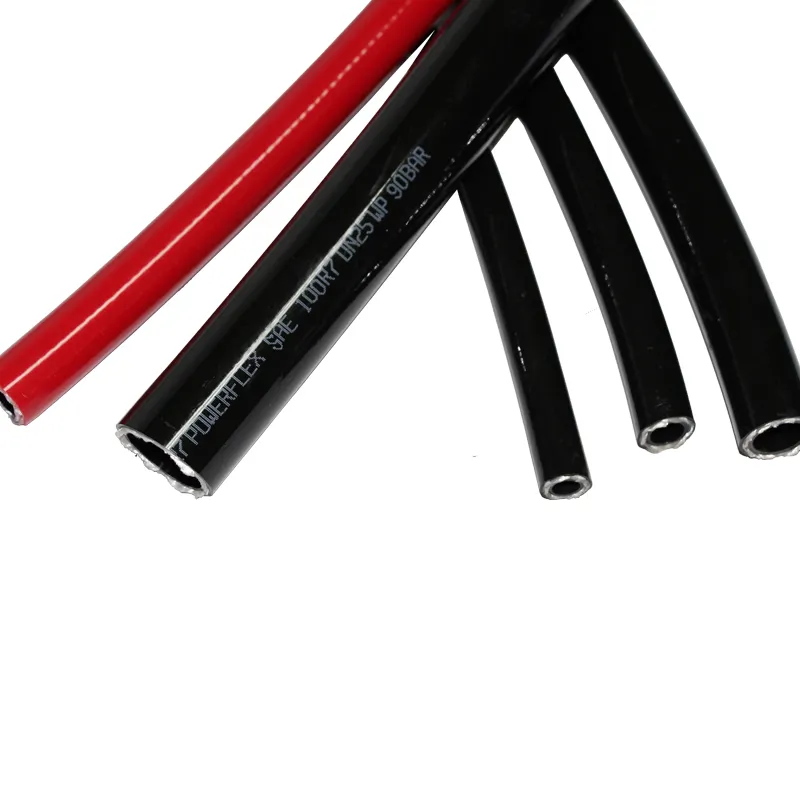
- SAE 100 R16 Compact Wire Braided Hose : Engineered for space-constrained setups, its compact steel braid design balances flexibility with high-pressure capability (4,000 PSI).
- Textile Braided Hoses : Typically handle 500–2,000 PSI, ideal for systems without extreme pressure surges. Models like SAE 100 R6 excel in medium-pressure applications up to 1,500 PSI.
- Wire Braided Hoses : Capable of 2,000–6,000 PSI, with double-braid designs like DIN EN853 2SN reaching 5,000 PSI. Their steel reinforcement provides a safety margin for high-pressure industrial setups.
- Textile Braids : Use synthetic fibers (polyester, nylon) for reinforcement, paired with an inner tube of NBR rubber or thermoplastic. This design is 30% lighter than steel braided hoses.
- Wire Braids : Feature one or two layers of galvanized steel wire braiding, combined with a robust EPDM or NBR inner tube. The steel braid adds rigidity while maintaining flexibility.
- Textile Braided Hoses : Offer superior bendability, with a minimum bending radius 20–30% smaller than wire braided models. This makes them perfect for tight spaces in robotic arms or agricultural implements.
- Wire Braided Hoses : While less flexible than textile models, they balance stiffness with durability. Designs like SAE 100 R17 incorporate compact braiding to optimize flexibility in high-pressure setups.
- Textile Braids : Require minimal support due to their lightweight nature, but need protection from abrasive surfaces. Routine checks for fiber fraying are essential.
- Wire Braids : Benefit from periodic torque checks on fittings to prevent leaks under high pressure. Their steel braid resists wear, but proper routing with bend restrictors is crucial to avoid metal fatigue.
- Textile Braided Hoses : Offer a 20–40% cost advantage over wire braided models, making them economical for short-term or low-intensity applications.
- Wire Braided Hoses : Represent a long-term investment, with a lifespan 2–3 times longer than textile hoses in high-pressure environments, reducing replacement costs.
- Agricultural Equipment : Sprayers, irrigation systems, and light tractors (SAE 100 R3 for low-pressure fluid transfer).
- Industrial Machinery : Packaging equipment, conveyor systems, and CNC machines requiring flexible routing (DIN EN854 2TE).
- Mobile Hydraulics : Forklifts, snowplows, and aerial work platforms where weight reduction is key.
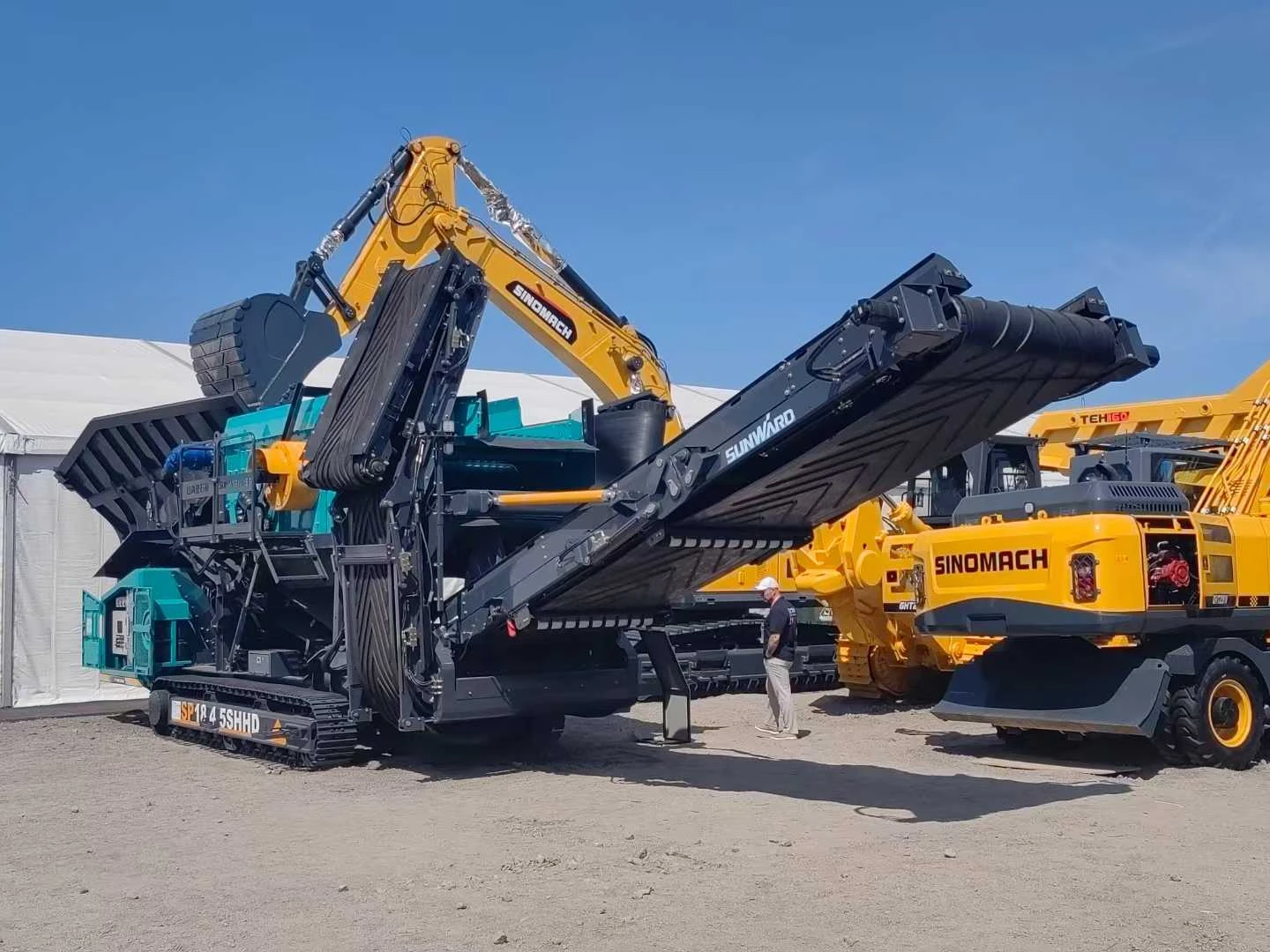
- Construction Machinery : Excavators, cranes, and hydraulic breakers (DIN EN853 2SN for 5,000 PSI applications).
- Mining and Energy : Drill rigs, hydraulic presses, and offshore equipment exposed to harsh conditions (SAE 100 R16).
- Automotive Manufacturing : High-pressure forming machines and robotic welding arms requiring consistent performance.
Whether you prioritize the lightweight flexibility of textile braided hose or the rugged durability of
wire braided hose
, our comprehensive range as a trusted
Explore our braided hydraulic hose collection today and discover how our precision-engineered solutions can elevate your system’s reliability and efficiency. With the right braid with you, your hydraulic applications will run smoothly, season after season.